
The Secret Classroom Between the Pages
Every time your child opens a book, something magical happens. They think they’re just enjoying a story about a brave bear or a curious astronaut, but their brain is busy building skills they’ll use for life. Books that teach kids secretly work like educational ninjas, delivering lessons in empathy, vocabulary, critical thinking, and emotional intelligence while children are completely absorbed in adventures. This hidden curriculum happens naturally through engaging narratives, making reading one of the most powerful tools for child development. Let’s explore the hidden benefits of reading to children and discover what skills children learn from reading without even trying.
1. Books Naturally Build Emotional Intelligence in Children
When children read about characters experiencing joy, frustration, fear, or excitement, they’re getting an emotional education without worksheets or lectures. Books teach emotional intelligence by creating safe spaces where kids can explore complex feelings alongside fictional friends.
Recognising Feelings Through Characters
Stories introduce children to the full spectrum of human emotion. A character who feels nervous about starting school helps your child name that butterfly feeling in their own tummy. Another character’s anger teaches them that everyone experiences strong emotions, and there are healthy ways to handle them. This emotional vocabulary becomes part of their toolkit for understanding themselves and others.
Learning Self-Regulation From Story Outcomes
Children observe how characters manage their emotions and face consequences for their choices. When a story shows a character taking deep breaths to calm down or talking through a problem instead of hitting, kids absorb these strategies unconsciously. Reading develops critical thinking about emotions, helping children recognise patterns between feelings, actions, and results.
2. Reading Expands Vocabulary Without Formal Instruction
One of the most significant reading benefits for child development is vocabulary expansion. Research shows that books contain far richer language than everyday conversation, exposing children to words they’d rarely hear otherwise.
Context Clues Replace Dictionary Definitions
When children encounter an unfamiliar word like “magnificent” in a sentence about a “magnificent castle with towering spires and golden flags,” they grasp the meaning through context. This natural learning process builds vocabulary more effectively than memorising definitions. How reading builds vocabulary is remarkably efficient because children see words used in meaningful situations, making them stick.
Reading Builds Vocabulary Faster Than Conversation
Daily conversations typically use around 5,000 common words repeatedly. Children’s books, however, introduce diverse vocabulary across topics from dinosaurs to space exploration to friendship dynamics. This variety creates neural pathways for language acquisition, giving children the words to express increasingly complex ideas. The educational benefits of reading include this unconscious learning through books that feels like play but builds genuine linguistic competence.
3. Stories Develop Critical Thinking and Problem-Solving Skills
Every story presents problems that characters must solve, and children’s brains are actively working alongside them, developing analytical skills without realising they’re learning.
Predicting What Happens Next
As children follow a story, they constantly make predictions based on evidence. They notice clues, remember earlier details, and anticipate outcomes. This prediction process is critical thinking in action. When they discover whether their guess was correct, they refine their analytical approach for next time.
Analysing Character Choices and Consequences
Stories demonstrate how different approaches lead to different outcomes. Children observe characters making decisions and experiencing results, building their understanding of cause-and-effect relationships. How do books improve problem-solving skills? By presenting dozens of scenarios where characters face challenges, try solutions, learn from mistakes, and ultimately succeed. These patterns become mental models children apply to their own lives.
4. Books Ignite Creativity and Imagination in Kids
Reading boosts creativity in kids by requiring them to build entire worlds inside their minds, a process that strengthens imaginative thinking and innovation.
Building Mental Pictures From Words
Unlike screens that show everything, books require children to create their own mental images. When the story describes a purple dragon with emerald eyes, each child imagines their unique version. This active visualisation exercise strengthens creative neural pathways and teaches children they can build anything in their imagination.
Creating Original Ideas From Story Inspiration
Stories spark ideas that children then develop in their own play and thinking. After reading about a character who builds a fort, your child might design their own version with unique features. This inspiration-to-innovation process is fundamental to creative thinking and unconscious learning through books that extends far beyond the final page.
5. Teaching Empathy Through Character Connections
Perhaps the most profound answer to how does reading teach empathy to children is through the deep connections kids form with characters whose lives differ from their own.
Walking in Someone Else’s Shoes
When children read from a character’s perspective, they experience that character’s feelings, challenges, and worldview. A story about a child who’s new to the country helps readers understand what feeling different is like. Books improve social skills in children by creating emotional bridges to experiences they haven’t personally lived.
Understanding Different Perspectives and Experiences
Stories introduce children to diverse cultures, family structures, abilities, and challenges. This exposure builds understanding and compassion naturally. Children learn that people have different circumstances but share common feelings and hopes. This foundation of empathy becomes part of how they navigate relationships throughout life.
6. Building Social Awareness Through Story Narratives
Beyond individual empathy, books teach children how social dynamics work, preparing them for real-world interactions.
Learning About Friendship and Relationships
Stories model what good friendship looks like: sharing, listening, apologising, celebrating each other’s successes, and supporting during difficulties. Children absorb these patterns and unconsciously apply them in their own friendships. The hidden benefits of reading to children include this social curriculum delivered through relatable scenarios.
Observing Conflict Resolution Models
When book characters disagree and then work through their conflict, children observe healthy resolution strategies. They see communication, compromise, and forgiveness in action. These models become templates they can draw upon when facing their own disagreements, making books practical guides for social navigation.
7. Reading Strengthens Memory and Concentration
Following a story from beginning to end requires sustained attention and memory skills that strengthen with practice.
Following Plot Threads Across Pages
Children must remember who characters are, what happened earlier, and how pieces connect as the story unfolds. This memory workout happens naturally because they’re motivated by wanting to know what happens next. Early literacy development includes these cognitive benefits that transfer to academic tasks requiring focus and retention.
Recalling Details and Sequences
Stories teach children to notice and remember details that become important later. They learn that information has relevance and connections. This skill of holding multiple pieces of information and seeing relationships between them is foundational for reading comprehension, mathematical thinking, and logical reasoning.
8. How Books Teach Cause-and-Effect Relationships
Understanding that actions lead to consequences is crucial for logical thinking and decision-making, and stories provide countless examples.
Actions Lead to Consequences in Stories
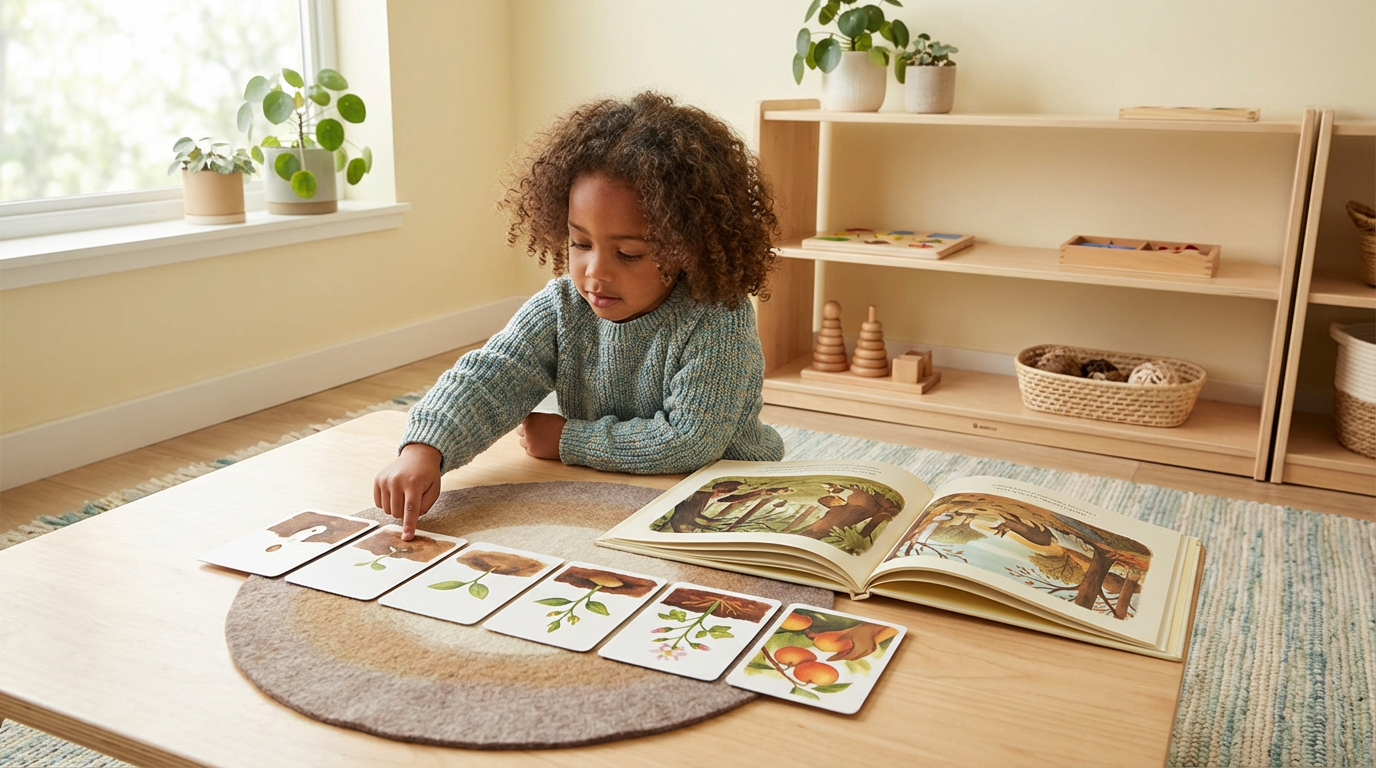
When a character forgets to water their garden, it wilts. When they’re kind to someone, they make a friend. These clear cause-and-effect demonstrations help children understand how the world works. What do kids learn from storybooks includes this fundamental logic that governs much of life.
Understanding Logical Connections
Stories weave together multiple cause-and-effect chains, teaching children to follow complex logical sequences. They learn to anticipate outcomes based on actions and understand that events don’t happen randomly but follow patterns. This logical framework becomes part of how they interpret experiences and make decisions.
9. Developing Communication Skills Through Rich Language Exposure
Does reading to children improve their vocabulary? Absolutely. But it also teaches them how language works in sophisticated ways.
Hearing Sophisticated Sentence Structures
Books use more complex grammar than casual conversation. Children hear complete sentences with varied structures, learning language patterns unconsciously. This exposure helps them construct their own sentences with increasing sophistication, improving both spoken and written communication.
Learning Conversational Patterns From Dialogue
Story dialogue teaches children how conversations flow: how people take turns, how questions and answers work, how tone conveys meaning. These patterns shape their own communication skills, helping them become more effective communicators in everyday interactions.
10. Creating Lifelong Success Through Early Literacy Development
Why is reading important for child development? Because the skills built through reading create advantages that compound throughout life.
Academic Benefits That Start With Reading
Children who read regularly perform better academically across all subjects. The vocabulary, comprehension, concentration, and analytical skills they develop through reading transfer directly to classroom success. Early literacy development predicts educational outcomes years later.
Building Confidence as Capable Learners
When children experience themselves as capable readers who can learn from books, they develop confidence in their ability to learn anything. This self-belief, nurtured through stories where they see themselves as heroes of their own adventures, becomes the foundation for lifelong growth. At The Kids Book Company, we create secretly educational and totally inspirational stories kids love precisely because we understand this connection between reading, learning, and self-belief.
The Magic Continues With Every Page
Books deliver an extraordinary education without children ever feeling like they’re in a classroom. Through stories, they build emotional intelligence, expand vocabulary, develop critical thinking, strengthen creativity, learn empathy, improve social skills, enhance memory, understand logic, and communicate effectively. These aren’t separate lessons but integrated experiences that happen naturally when a child is absorbed in a good story.
At The Kids Book Company, we’re inspiring little heroes one personalised book at a time, creating books made with depth and passion that make your child the star of their own learning adventure. Because every child deserves to see themselves as capable, incredible, and ready to take on the world. Give your child the gift of a story where they’re the hero, and watch them discover they truly are incredible.
Frequently Asked Questions
How do books teach kids without them knowing?
Books teach through engaging narratives that naturally build skills like vocabulary, empathy, critical thinking, and emotional intelligence. Children absorb these lessons unconsciously because they’re focused on enjoying the story, not studying. This hidden curriculum works more effectively than formal instruction because it’s delivered through characters and adventures kids genuinely care about.
What skills do children learn from reading?
Children develop emotional intelligence, vocabulary, critical thinking, problem-solving abilities, empathy, social awareness, memory, concentration, creativity, communication skills, and understanding of cause-and-effect relationships. These skills emerge naturally through engaging with stories and don’t require explicit teaching or worksheets.
At what age should I start reading to my child?
You can start reading to children from birth. Even infants benefit from hearing language patterns, seeing pictures, and experiencing the bonding that comes with shared reading time. The earlier you begin, the stronger the foundation for early literacy development and language acquisition.
How does reading teach empathy to children?
Reading teaches empathy by allowing children to experience stories from different characters’ perspectives. They feel what characters feel, understand their motivations, and see the world through diverse viewpoints. This practice of emotional perspective-taking builds genuine compassion and understanding that children apply in real-life relationships.
What are the hidden benefits of reading to kids?
Hidden benefits include unconscious vocabulary expansion, emotional regulation skills, social behaviour modelling, logical thinking development, imagination strengthening, and confidence building. These advantages emerge naturally through story engagement without feeling like formal education, making reading one of the most efficient learning tools available.
How often should I read to my child?
Daily reading, even for just 10-15 minutes, provides significant benefits. Consistency matters more than duration. Making reading a regular part of your routine helps children develop literacy skills, creates bonding opportunities, and establishes reading as a valued, enjoyable activity rather than a chore.