

Why Story Characters Are Resilience Teachers
When your child watches a character climb a mountain, solve a puzzle, or stand up to something scary, something remarkable happens in their brain. They’re not just reading words on a page. They’re practising resilience without even knowing it.
Research shows that children who frequently read stories about characters facing challenges are more likely to feel confident when difficult situations arise in their own lives. Storytelling plays a crucial role in developing protective factors in children, including resilience, while decreasing symptoms of anxiety and depression.
Think of story characters as practice partners for life’s tricky moments. When a hero in a book faces a problem and works through it, your child’s brain files that away as a possibility for their own toolkit.
The Brain Science Behind Story Learning
Stories work because children connect to characters in authentic ways. When we read about someone facing their problems and overcoming obstacles, we’re helping to develop the same mindset in our children. The brain doesn’t always distinguish between a character’s experience and a real one, which means reading about bravery can actually build bravery.
Storytelling allows children to bring their own life experiences into how they interpret and understand the story. A character who keeps trying after failing becomes a model for your child’s own perseverance.
Characters as Safe Practice Grounds
Stories provide a safe space to explore difficult emotions and situations. Your child can experience fear, disappointment, or frustration through a character without the real-world stakes. This emotional rehearsal builds coping skills they’ll use when facing their own challenges.
Characters stimulate imagination and creativity, enabling children to adapt and discover new ways to cope with adversity. When a book character solves a problem, your child’s brain stores multiple problem-solving strategies.
What Makes a Character Build Resilience
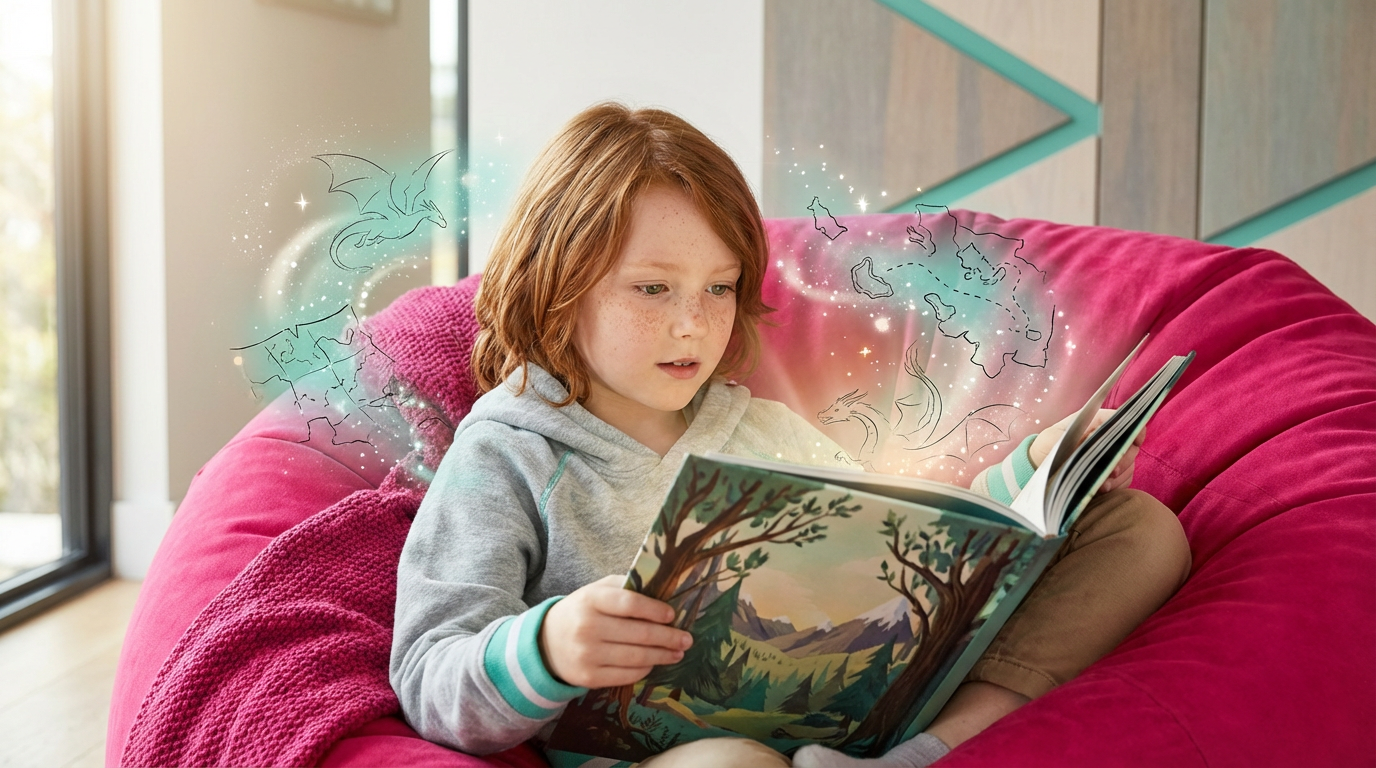
Not all characters teach resilience equally. The most powerful resilience-building characters share specific qualities that help children develop perseverance and problem-solving skills.
Heroes Who Face Real Obstacles
Effective resilience-building characters don’t have easy journeys. They encounter genuine obstacles that require effort, creativity, and persistence. Stories of bravery, perseverance, and hope inspire and cultivate strengths in children.
The best characters:
• Make mistakes and learn from them
• Try multiple solutions before succeeding
• Experience realistic emotions (fear, frustration, doubt)
• Show both vulnerability and strength
• Demonstrate that asking for help is brave
When your child sees a character struggle and then succeed, they learn that difficult doesn’t mean impossible. This shifts their mindset from fixed to growth-oriented.
Problem-Solving in Action
Resilience isn’t just about bouncing back. It’s about developing the skills to work through challenges. Characters who demonstrate active problem-solving teach children practical coping strategies.
Watch for characters who:
• Break big problems into smaller steps
• Try different approaches when one doesn’t work
• Use resources around them creatively
• Collaborate with others to find solutions
• Reflect on what worked and what didn’t
These patterns become templates your child can apply to their own situations, from friendship conflicts to learning challenges.
Age-Appropriate Resilience Lessons
The complexity of resilience lessons should match your child’s developmental stage. What builds resilience in a toddler looks different from what helps a nine-year-old.
Ages 1-4: Simple Perseverance
Young children benefit from straightforward stories where characters face simple obstacles and keep trying. The repetition of trying, trying, trying until success becomes a foundational pattern.
Effective themes include:
• Characters who can’t do something at first but practise
• Simple problem-solving (finding a lost toy, reaching something high)
• Emotional regulation (calming down when upset)
• Asking for help when needed
At this age, the lesson is basic but powerful: trying again works.
Ages 5-9: Complex Problem-Solving
Older children can engage with more complex stories that include moral dilemmas and encourage critical thinking. They can put themselves in the characters’ shoes and understand metaphors, which helps them explore their own challenges in a less direct way.
Appropriate themes expand to:
• Characters facing peer pressure or social challenges
• Multi-step problem-solving requiring planning
• Managing disappointment and setbacks
• Standing up for beliefs or others
• Recognising when to change approach versus when to persist
These stories help children develop the nuanced thinking that real-world resilience requires.
The Power of Seeing Yourself as the Hero
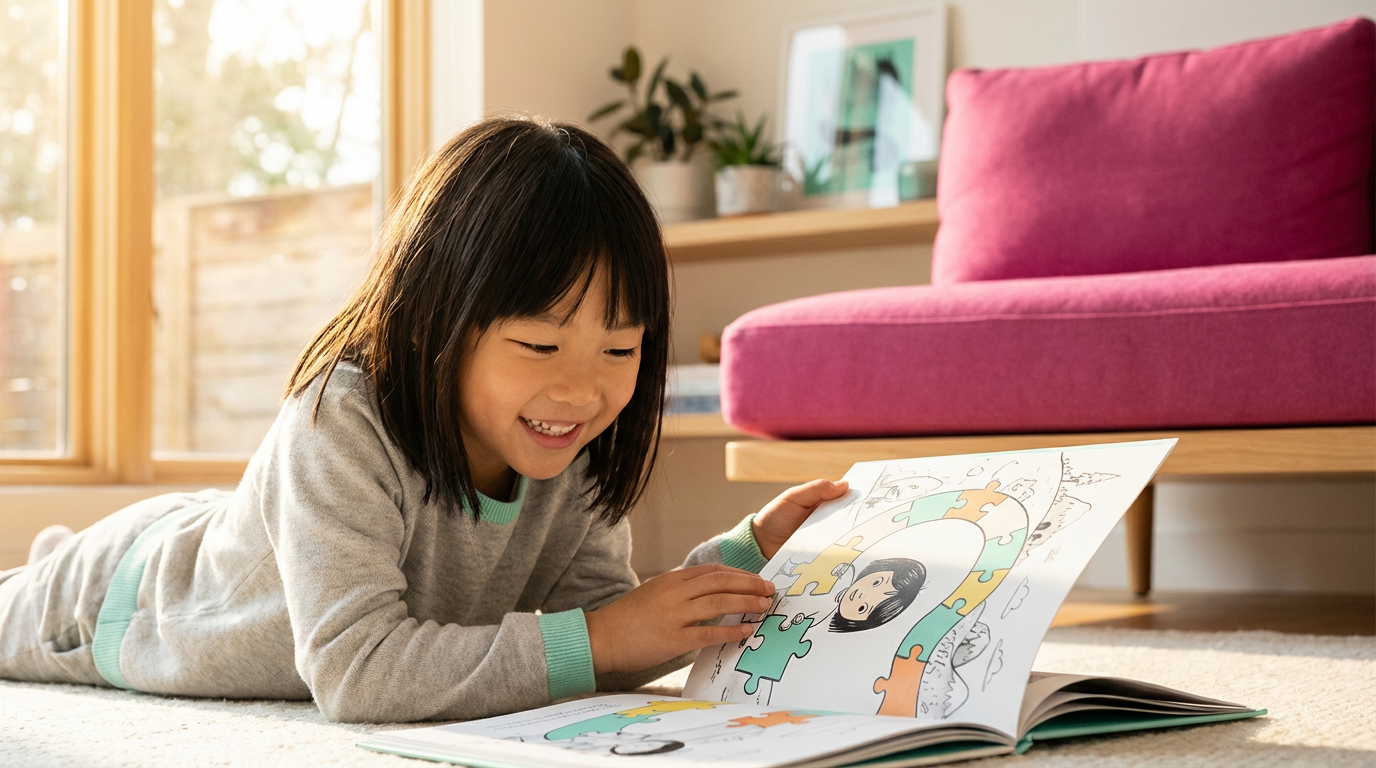
Here’s where personalised books create something truly special. When your child isn’t just reading about a hero but seeing themselves as the hero, the resilience lesson becomes deeply personal.
Personalised stories where children see their own name, details, and characteristics in the main character create a powerful psychological connection. The child doesn’t think, “That character is brave.” They think, “I am brave.”
This matters enormously for self-belief. When a child sees themselves overcoming obstacles in a story, they’re building the internal narrative that they are someone who can handle challenges. They’re incredible, and the story reflects that back to them.
Books made with depth and passion that place your child at the centre of an adventure aren’t just entertaining. They’re building the foundation of how your child sees themselves. Are they someone who gives up when things get hard, or someone who finds solutions? The stories they experience shape that answer.
From Pages to Real Life: Making It Stick
Reading resilience-building stories is powerful, but you can amplify the impact by connecting story lessons to real-world moments.
Conversation Starters After Reading
After finishing a story, try these approaches:
• “What was the trickiest part for the character? How did they figure it out?”
• “Have you ever felt like that character did?”
• “If you were the character, what else could you have tried?”
• “What made the character keep going even when it was hard?”
These questions help children process the resilience lessons explicitly rather than just absorbing them passively.
Connecting Stories to Daily Challenges
When your child faces a real challenge, reference story characters they know. “Remember how the character in your book tried three different ways before finding the solution? What’s another way you could try this?”
This bridges the gap between story learning and real application. The character becomes a touchpoint your child can reference.
When Your Child Becomes the Character
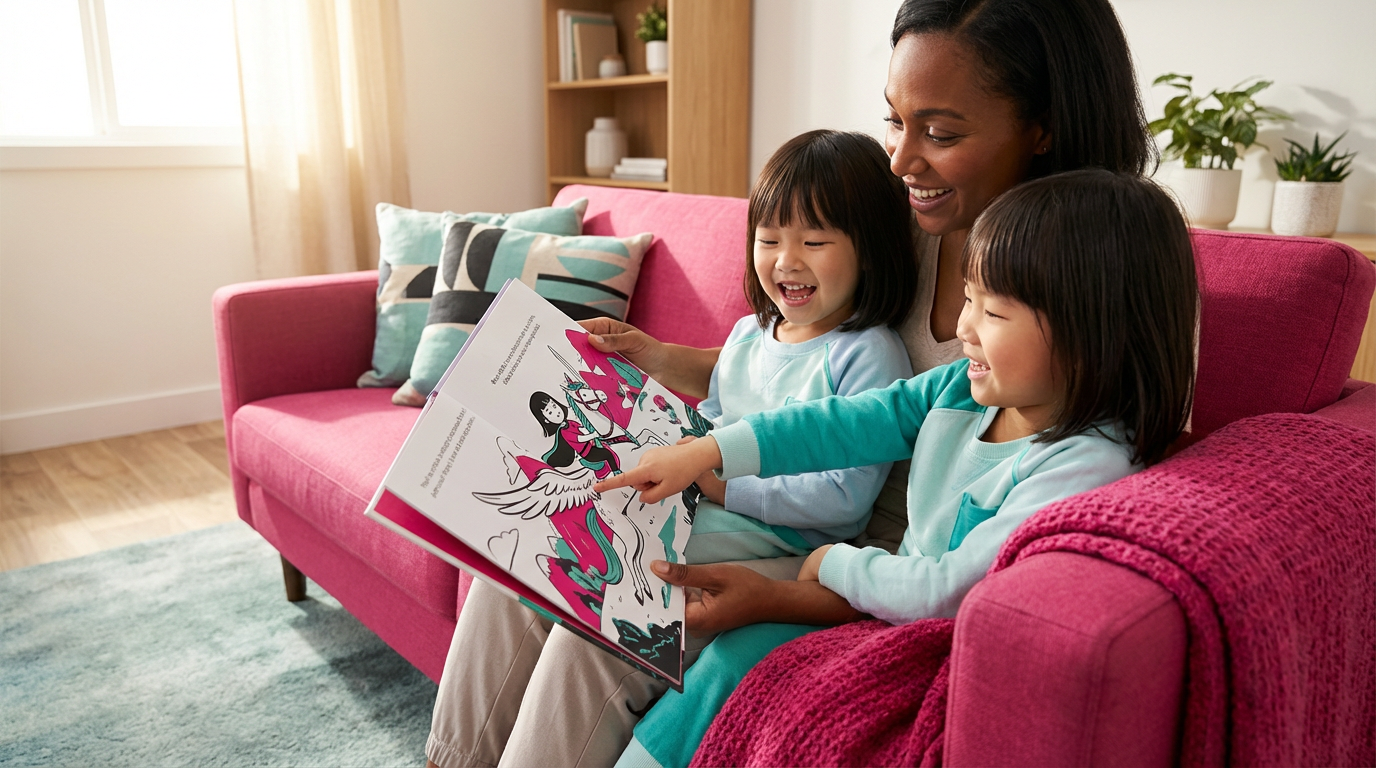
Personalised books that are secretly educational and totally inspirational create a unique opportunity. When your child is the main character facing challenges and overcoming them, you’re giving them a reference point they can return to again and again.
A child who has read about themselves solving problems, showing bravery, or persevering through difficulty has a powerful mental resource. When real-life challenges arise, they can think back to the story where they were the hero who figured things out.
This is why truly lovely things take more time. A book that’s crafted specifically for your child, with their details and characteristics woven into a story designed to build their resilience and self-belief, creates lasting impact that generic stories can’t match.
Our customers love their books like squirrels love nuts because these aren’t just books. They’re tools for inspiring little heroes one personalised book at a time. When your child sees themselves as capable, brave, and resourceful in a story, they start to believe it about themselves in real life.
That’s the book to teach your kid they’re incredible. Not through empty praise, but through experiencing themselves as the hero of an adventure where they develop genuine problem-solving skills and perseverance.
When you choose books made with depth and passion by people with education credentials who understand child development, you’re not just buying a story. You’re investing in your child’s resilience, confidence, and belief that they can handle whatever comes their way.
Because every child deserves to see themselves as the hero of their own story and believe they are incredible. The characters they read about and identify with shape who they become.
Frequently Asked Questions
At what age should I start reading resilience-building stories to my child?
You can start from age one with simple stories about characters who keep trying. The complexity of the resilience lessons should grow with your child. Toddlers benefit from basic perseverance themes, while children aged 5-9 can engage with more complex problem-solving and emotional regulation stories.
How do personalised books build resilience differently than regular books?
When your child sees themselves as the main character overcoming challenges, they develop a personal connection to the resilience lesson. Instead of thinking ‘that character is brave,’ they think ‘I am brave.’ This builds the internal narrative that they are someone who can handle difficulties, which is fundamental to resilience.
How often should we read resilience-building stories?
Regular reading creates the most impact. Research shows that frequent readers are more likely to feel confident facing difficult situations. Aim for daily reading sessions where you can discuss the character’s choices and problem-solving strategies together.
What if my child identifies with a character who gives up?
Use this as a conversation opportunity. Ask what the character could have done differently, or how they might rewrite the ending. This develops critical thinking about resilience and helps your child recognise that giving up is a choice, not the only option.
Can stories really help with anxiety and real-world challenges?
Yes. Research demonstrates that storytelling interventions enhance psychological resilience in children while decreasing symptoms of anxiety and depression. Stories provide safe practice grounds where children can experience and work through difficult emotions without real-world stakes.