
Understanding Developmental Stages in Reading
Every child’s reading journey is beautifully unique, like watching different flowers bloom in the same garden. While some children race through developmental stages, others take their time, building skills at their own pace. Understanding age-appropriate learning milestones helps you support your child without pressure, celebrating each achievement as they discover that reading opens magical doorways to knowledge, adventure, and self-belief.
The truth is, reading development isn’t a race. It’s a journey where your child becomes the hero of their own story, literally and figuratively.
Why Individual Pace Matters
Children develop reading skills based on numerous factors including exposure to language, individual brain development, and opportunities to practise. Research shows that whilst most children start formal reading between ages 4 and 6, the journey begins much earlier through conversations, songs, and storytelling.
Your role isn’t to rush the process. It’s to create an environment where books feel like treasures, not tasks. When children see themselves in stories, when they hear their own name woven into adventures, reading transforms from an educational requirement into something they genuinely love.
The Learning to Read Foundation
Before children decode their first word, they’re building essential pre-reading skills. They learn that print carries meaning, that stories have beginnings and endings, and that books open worlds beyond their immediate experience. This foundation determines future reading success more than parents often realise.
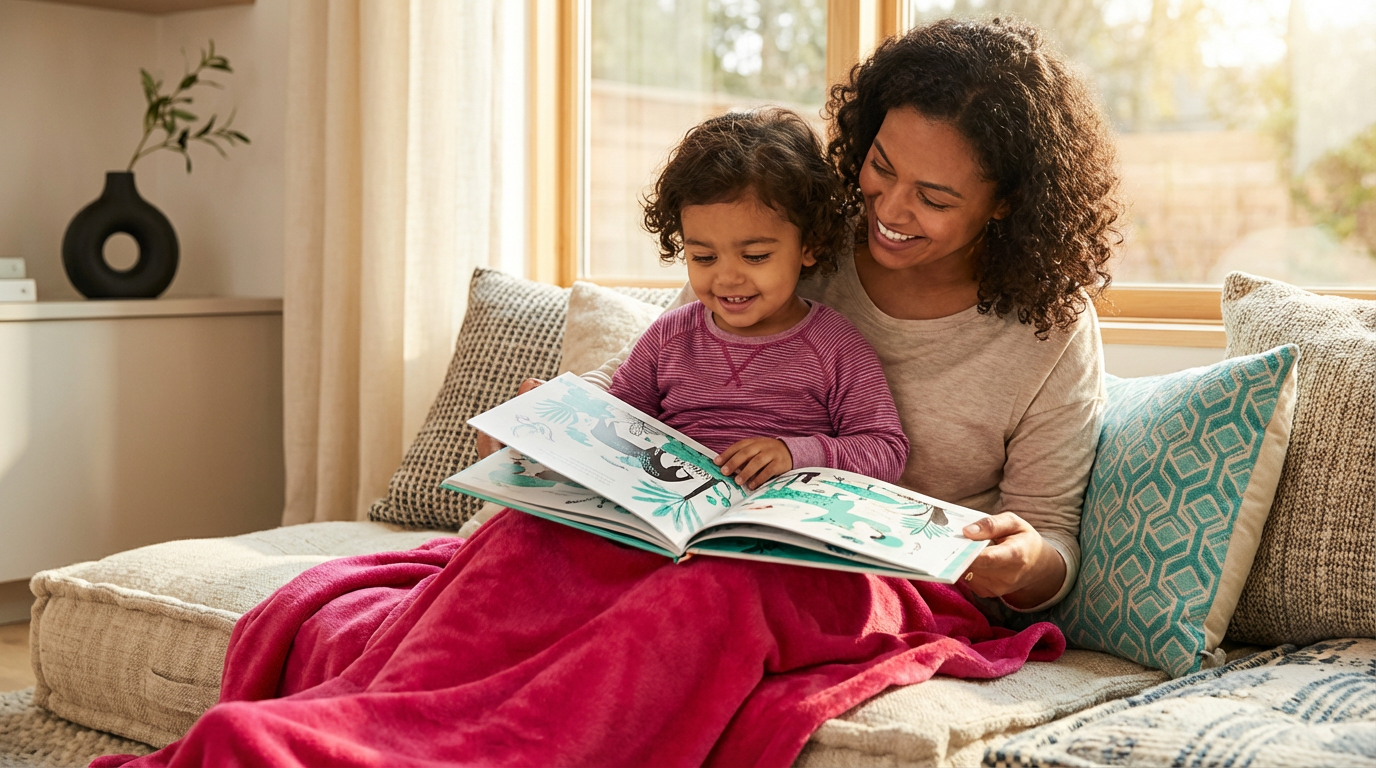
Ages 1-3: Building the Reading Foundation
These early years create the architecture for future literacy. Toddlers absorb language like sponges absorb water, building vocabulary that later becomes their reading material. Every conversation, every bedtime story, every silly rhyme strengthens neural pathways that support reading development.
Language Exposure Creates Future Readers
Children whose parents read them one book daily hear over 290,000 words by age five. That’s an extraordinary advantage before formal schooling begins. These aren’t just any words, they’re new vocabulary, sentence structures, and concepts that expand a child’s understanding of how language works.
At this stage, focus on:
- Picture books with simple, repetitive text
- Interactive stories with textures, flaps, or sounds
- Naming objects and describing what you see together
- Singing songs and reciting nursery rhymes
- Making reading time feel special and connected
Interactive Reading Experiences
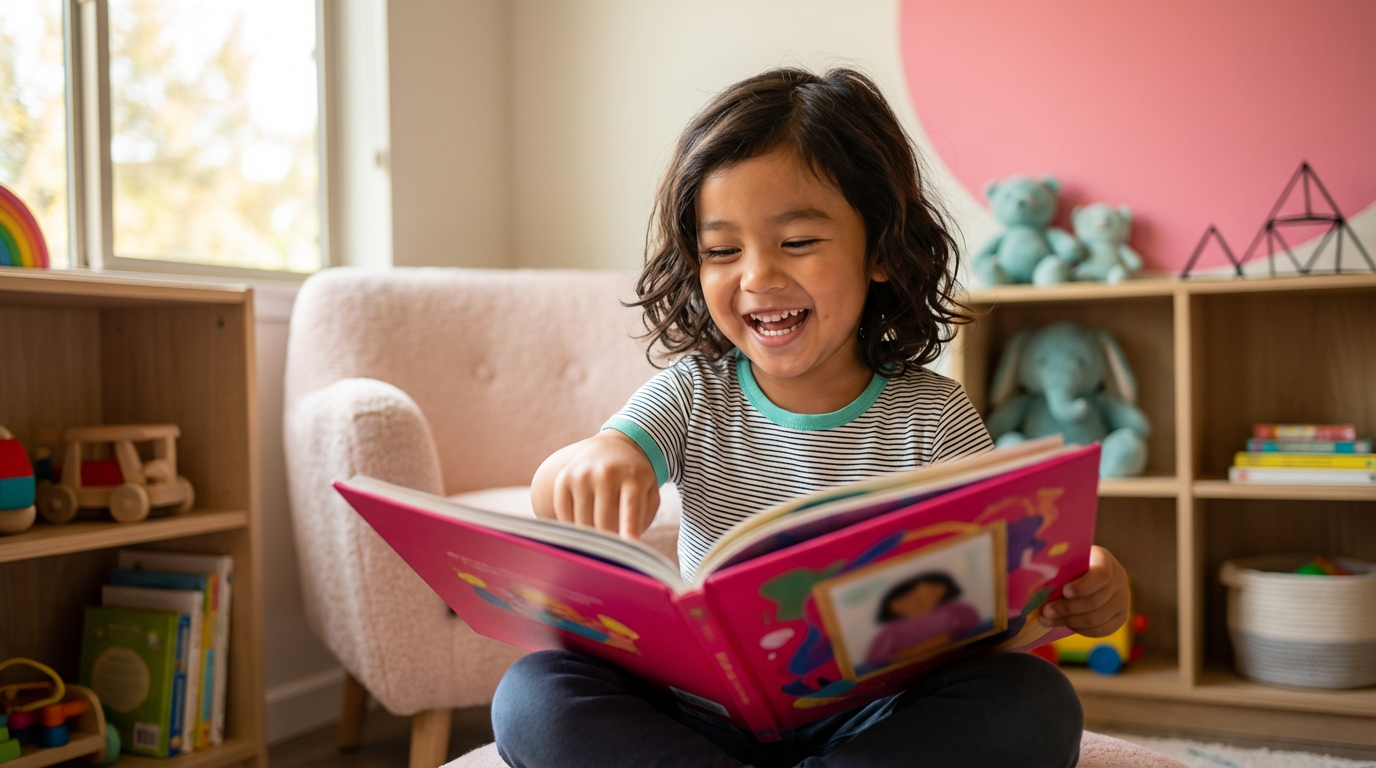
Toddlers learn through engagement, not passive listening. When you point to pictures, ask simple questions, and let them turn pages, you’re teaching that reading is an active, enjoyable experience. Books made with depth and passion capture this age group because they’re designed around how young children actually learn.
Personalised books work beautifully here because toddlers are naturally self-focused. Hearing their own name in a story captures attention in ways generic books cannot.
Ages 4-5: Pre-Reading and Early Literacy
The pre-school years mark dramatic growth in reading readiness. Children begin recognising letters, understanding that print represents spoken words, and showing interest in attempting to read themselves. They’re building phonemic awareness, the ability to hear and manipulate sounds in words.
Recognising Letters and Sounds
At this developmental stage, children typically:
- Recognise and name many letters
- Understand that letters represent sounds
- Begin sounding out simple words
- Show interest in writing their own name
- Predict what happens next in familiar stories
- Retell favourite stories in their own words
These skills develop through playful exposure, not formal drilling. Children learn best when they’re having fun, when stories feel like adventures rather than lessons.
The Power of Personalised Stories
When children see themselves as heroes in stories, they engage differently. A book about counting becomes more meaningful when it’s their adventure, their journey, their triumph. This emotional connection accelerates learning because children return to these books repeatedly, building fluency through joyful repetition rather than forced practice.
Ages 6-7: Learning to Read
This is when most children crack the reading code. They transition from recognising individual letters to blending sounds into words, then words into sentences. It’s thrilling and sometimes frustrating, requiring patience from both children and parents.
Decoding Skills Emerge
By age seven, most children have developed basic reading skills, though the range of normal development is quite wide. Some children read fluently whilst others are still building foundational decoding abilities. Both are perfectly normal.
Typical milestones include:
- Reading simple books independently
- Recognising common sight words automatically
- Using picture clues to support comprehension
- Self-correcting when reading doesn’t make sense
- Beginning to read silently in their heads
- Expressing preferences for certain types of stories
Building Reading Confidence
This stage is critical for developing self-belief around reading. Children who struggle may begin feeling they’re “not good at reading,” whilst confident readers race ahead. The key is matching books to reading levels whilst maintaining engagement.
Secretly educational stories work brilliantly here because children focus on adventure, not difficulty level. When they’re invested in what happens to the hero (especially when that hero is them), they persist through challenging words.
Ages 8-9: Reading to Learn
Around third or fourth grade, a fundamental shift occurs. Children stop learning to read and start reading to learn. Books become tools for acquiring knowledge about science, history, and the wider world. Comprehension skills become as important as decoding abilities.
The Critical Transition
This transition determines academic success across all subjects. Children who read fluently can access content in every area. Those still struggling with basic reading fall behind not just in literacy but in mathematics, science, and social studies.
At this stage, children should:
- Read chapter books independently
- Understand and explain what they’ve read
- Make inferences beyond literal text
- Compare information across different sources
- Read for both pleasure and information
- Adjust reading strategies based on purpose
Expanding Comprehension Skills
Strong readers at this age don’t just decode words, they analyse themes, question author choices, and connect reading to their own experiences. These higher-level skills develop through discussion, not just independent reading.
Books that inspire and empower self-belief serve double duty here. They provide reading practice whilst building the confidence children need to tackle academic challenges.
Supporting Your Child’s Reading Journey
Regardless of your child’s current developmental stage, you play the most important role in their reading success. Research demonstrates that up to 95% of children can learn to read competently when taught with systematic, evidence-based methods combined with encouragement and support.
Creating a Reading-Rich Environment
Make books visible and accessible. Create cosy reading spaces. Let children see you reading for pleasure. Talk about stories at dinner. Visit libraries and bookshops as special outings, not chores.
Most importantly, choose books with depth and passion. Children recognise when books are created thoughtfully versus mass-produced without care. Quality matters because it communicates that reading matters.
Making Reading Feel Like Adventure
The best educational content doesn’t feel educational. It feels like discovery, adventure, and fun. When children associate reading with positive emotions, they choose books over screens. They read beyond assigned homework. They become readers not because they must, but because they want to.
Personalised books where children are heroes create this emotional connection powerfully. When kids see themselves succeeding in stories, they believe they can succeed in real life. That’s not just literacy development, that’s building the self-belief that shapes entire futures.
Inspiring Little Heroes Through Reading
Understanding developmental stages and age-appropriate content helps you support your child’s unique reading journey. But knowledge alone isn’t enough. Children need books that meet them where they are whilst inspiring them toward where they’re going.
Truly lovely things take more time, including both childhood development and books created with genuine care. When you choose reading materials made by people who understand education and child development, you’re investing in more than literacy. You’re investing in confidence, curiosity, and the belief that your child is incredible.
Because every child deserves to see themselves as the hero of their own story. And that story begins with a book they love.
Ready to inspire your little hero? Discover secretly educational and totally inspirational stories that kids genuinely love at The Kids Book Company.
Frequently Asked Questions
What age should my child start reading?
Most children begin formal reading instruction between ages 4 and 6, though the foundation starts much earlier through conversations and read-aloud experiences. By age 7, most children have developed basic reading skills, but individual pace varies considerably. Focus on building a love of books from infancy rather than rushing developmental milestones.
How can I tell if my child is behind in reading?
Reading development varies widely amongst children. Consult with your child’s teacher if you have concerns, but remember that children develop at different paces. Signs to watch include lack of interest in books, difficulty recognising letters by age 5, or inability to read simple words by age 7. However, late bloomers often catch up quickly with appropriate support and encouragement.
What’s the best way to support my child’s reading development?
Read together daily, even just 15 minutes. Choose books at appropriate reading levels that genuinely interest your child. Create a reading-rich environment with accessible books. Discuss stories together, asking questions about characters and plot. Make reading feel special, not like a chore. Personalised books where children see themselves as heroes can significantly boost engagement and confidence.
Should I be worried if my child isn’t reading by age 6?
Not necessarily. Whilst many children begin reading around age 6, others develop these skills later without any underlying problems. Focus on building pre-reading skills like letter recognition, phonemic awareness, and love of stories. If concerns persist, consult your child’s teacher or a reading specialist, but avoid creating anxiety around reading that can become self-fulfilling.
How do personalised books help with reading development?
Personalised books increase engagement because children see themselves as the story’s hero. This emotional connection motivates repeated reading, which builds fluency and confidence. When children are invested in the story (because it’s about them), they persist through challenging words and develop positive associations with reading. This transforms learning from obligation into adventure.