
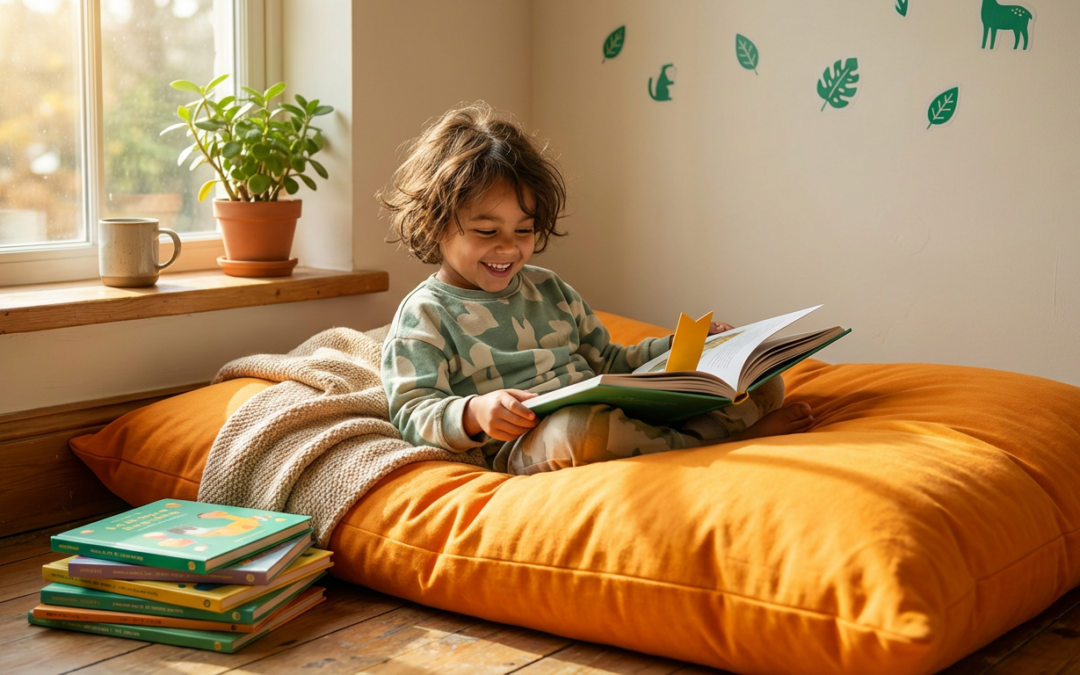
Why Building Reading Routines Children Love Transforms Development
Imagine your child entering kindergarten already knowing 1.4 million more words than their peers. That’s not fantasy; it’s the research-backed reality of building reading routines children experience daily. Just 15 minutes with books creates confident readers who believe they’re incredible.
The secret? Consistency beats intensity every time. A daily reading routine kids can count on builds neural pathways, expands vocabulary, and creates emotional security. When you establish reading time as non-negotiable as breakfast, you’re not just teaching literacy. You’re inspiring little heroes one personalised book at a time, showing children they deserve this special attention.
Let’s explore how to make reading time the moment your child craves most.
The Million-Word Gap: Science Behind Daily Reading Routine Kids Need
Researchers discovered something remarkable: children who hear five books daily experience approximately 1.4 million more words by age five compared to those never read to. That’s the foundation for reading success, critical thinking, and lifelong learning.
Consistent reading habits children develop early create cascading benefits. They’re twice as likely to develop strong comprehension skills and 60% more likely to perform better academically across all subjects. Why? Because early literacy routines build vocabulary, background knowledge, and the cognitive flexibility needed for complex learning.
What is the best time to read with children daily
The honest answer: whenever works for your family. However, bedtime reading routine practices show exceptional results because they combine learning with emotional bonding. Evening reading signals transition time, calms active minds, and creates positive sleep associations.
Morning reading works beautifully too, setting a learning-focused tone. Some families swear by post-lunch quiet reading. The best time is the time you’ll actually maintain.
How long should reading time be for young children
Quality trumps quantity. Fifteen focused minutes beats thirty distracted minutes every time. For toddlers, even five to ten minutes of engaged attention builds the habit. By age five to nine, aim for 15 to 20 minutes.
The key? Stop before they want to. Leave them wanting more, and they’ll associate reading with pleasure, not obligation.
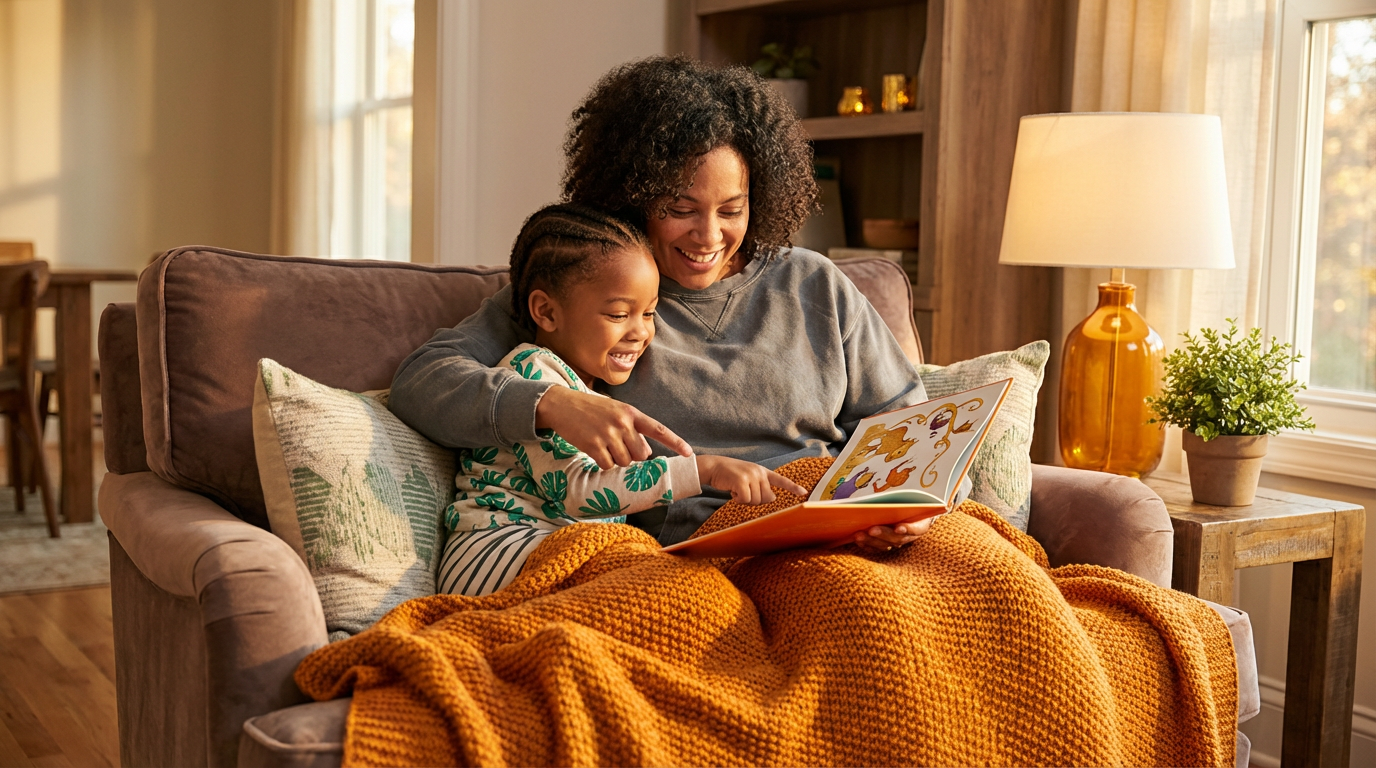
7 Steps to Build a Consistent Reading Routine With Kids
Establishing reading time that sticks requires strategy, not just good intentions. Here’s your blueprint:
- Choose your anchor time: Attach reading to an existing habit like after dinner or before bedtime. This parent-child reading schedule hack makes consistency automatic.
- Create a reading space: Designate a cosy corner with good lighting, comfortable seating, and accessible books. Environment shapes behaviour.
- Let them choose: Offering book choices builds ownership and excitement. Stock options that are secretly educational and totally inspirational, stories kids love.
- Start small and build: Begin with five minutes if that’s sustainable. Consistency matters more than duration when forming reading habit formation children will maintain.
- Engage actively: Ask questions, make predictions, discuss characters. Interactive reading multiplies comprehension benefits.
- Make it phone-free: Your undivided attention signals that this time matters. Children notice when you’re truly present.
- Track and celebrate: Use a simple chart or calendar. Watching streaks grow motivates both parent and child.
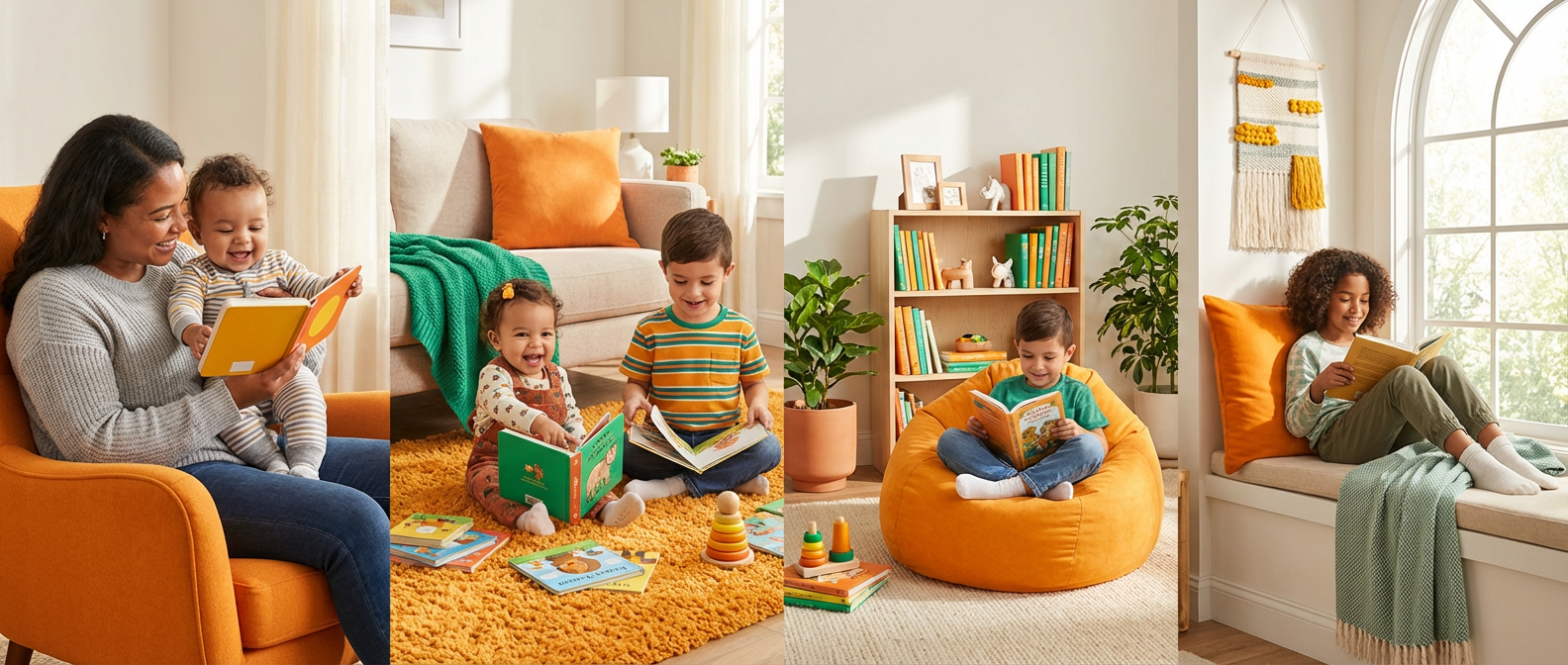
Age-Appropriate Reading Routine Guidelines (Ages 1-9)
Building reading routines children enjoy means matching expectations to development stages.
When should you start daily reading with babies
Start immediately. Newborns benefit from hearing your voice, experiencing rhythm and rhyme, and associating books with comfort. By six months, babies engage with board books, exploring textures and images. These early literacy routines wire brains for language.
Ages one to three need sturdy books with simple stories. Repetition delights them, so embrace reading the same book seventeen times. This isn’t boring; it’s brain-building.
How to make reading a daily habit for toddlers
Toddlers thrive on predictability. Your bedtime reading routine becomes their security anchor. Choose books with interactive elements like lift-the-flap features or rhyming patterns they can complete.
Ages four to six are ready for longer stories with plot development. They can sit for 15 to 20 minutes and engage in deeper discussions about characters and consequences.
Ages seven to nine benefit from chapter books read over several nights, building anticipation and memory skills. They’re ready to explore books where they see themselves as heroes, learning they’re incredible through character journeys.
Establishing Reading Time: Overcoming Common Challenges
Every family faces obstacles when building consistent reading habits children will maintain. Here’s how to navigate common roadblocks:
The “Too Tired” Trap: Shift reading earlier or choose energising books rather than sleepy ones. Sometimes a morning reading burst works better than forcing it when everyone’s exhausted.
The “Too Busy” Excuse: Reading isn’t extra; it’s essential. Would you skip brushing teeth because you’re busy? Treat reading consistency tips with the same non-negotiable status.
The Reluctant Reader: Start with topics they’re passionate about. Dinosaurs? Space? Animals? Books made with depth and passion about their interests hook even resistant readers.
Multiple Children Chaos: Create individual reading time for each child, even if brief. They need your focused attention, and age-appropriate content matters.
Screen Competition: Position reading as special one-on-one time, not as punishment or screen replacement. Make it the relationship-building moment they don’t want to miss.
How Consistency Strengthens Parent-Child Bonding Through Books
Why is consistency important in children reading routines beyond literacy? Because predictable reading time creates emotional safety and connection.
When you show up daily with books, you communicate: “You matter. This time with you is precious. Learning together is our priority.” Children internalise these messages, building self-worth alongside vocabulary.
Family reading time strategies that prioritise consistency also model commitment and follow-through. Your child learns that important things happen regularly, not just when convenient.
Personalised books amplify this bonding. When children see their name in stories, when they’re the hero overcoming challenges, they experience profound validation. These aren’t just reading sessions; they’re confidence-building workshops disguised as storytime.
Our customers love their books like squirrels love nuts because these moments become treasured family memories. The routine itself becomes the gift.
Making Reading Routines Stick: Celebrating Milestones
Reading routine benefits multiply when you acknowledge progress. Celebrate the small wins:
One week consistent? Special bookmark time. One month? Choose a new book together. Three months? They’re officially establishing a reading identity.
Track books completed, new words learned, or favourite characters discovered. This visible progress motivates continued effort and shows children their growth.
Remember, truly lovely things take more time. Building reading habits doesn’t happen overnight, but the investment pays dividends for life.
When challenges arise (and they will), return to your why: You’re raising a confident reader who believes they’re incredible. You’re creating a little hero who sees reading as adventure, not obligation.
That vision is worth 15 daily minutes.
Creating Little Heroes, One Story at a Time
Building reading routines children genuinely crave isn’t about perfection. It’s about showing up, opening books, and creating space for connection and growth.
The 1.4 million word gap isn’t destiny; it’s preventable through consistent, loving reading time. Your daily commitment, even when imperfect, shapes confident learners ready to conquer kindergarten and beyond.
Ready to inspire and empower self-belief in your kids through books made with depth and passion? Start tonight. Choose one time, one cosy spot, and one story. Tomorrow, do it again.
That’s how ordinary moments become extraordinary foundations. That’s how you build a reader who knows they’re incredible.
Frequently Asked Questions
How do I build a consistent reading routine with kids who resist?
Start by letting them choose books about topics they love. Make reading time special one-on-one attention, not a chore. Keep sessions short (5-10 minutes initially), stop before they want to, and attach reading to an existing habit like after dinner. Consistency builds enjoyment over time, especially when books feature them as heroes in personalised stories.
What is the best time to read with children daily?
The best time is whenever you can be consistent. Bedtime reading routines work exceptionally well because they combine learning with bonding and create positive sleep associations. However, morning or post-lunch reading can be equally effective. Choose a time that fits your family schedule and stick with it daily.
How long should reading time be for young children?
Quality beats quantity. For toddlers (ages 1-3), aim for 5-10 minutes of focused attention. Ages 4-6 can typically engage for 15-20 minutes. Ages 7-9 often enjoy 20-30 minutes, especially with chapter books. The key is stopping before they lose interest, leaving them wanting more.
When should you start daily reading with babies?
Start immediately, even with newborns. Babies benefit from hearing your voice, experiencing rhythm and rhyme, and associating books with comfort and security. By six months, they engage with board books, exploring textures and images. These early literacy routines build crucial neural pathways for language development.
Why is consistency important in children’s reading routines?
Consistency creates the 1.4 million word advantage by age five, builds neural pathways for literacy, provides emotional security, and establishes reading as a valued family priority. Children thrive on predictability, and daily reading time strengthens parent-child bonding while making reading a natural, expected part of life rather than an occasional activity.
How can I make reading a daily habit for toddlers?
Attach reading to an existing routine (like bedtime), create a cosy reading space, offer book choices, keep sessions short and engaging, and use interactive books with textures or lift-the-flap features. Repetition delights toddlers, so embrace reading the same favourite book multiple times. Consistency and predictability help cement the habit.