Why Children Need to Be Heroes of Their Own Stories
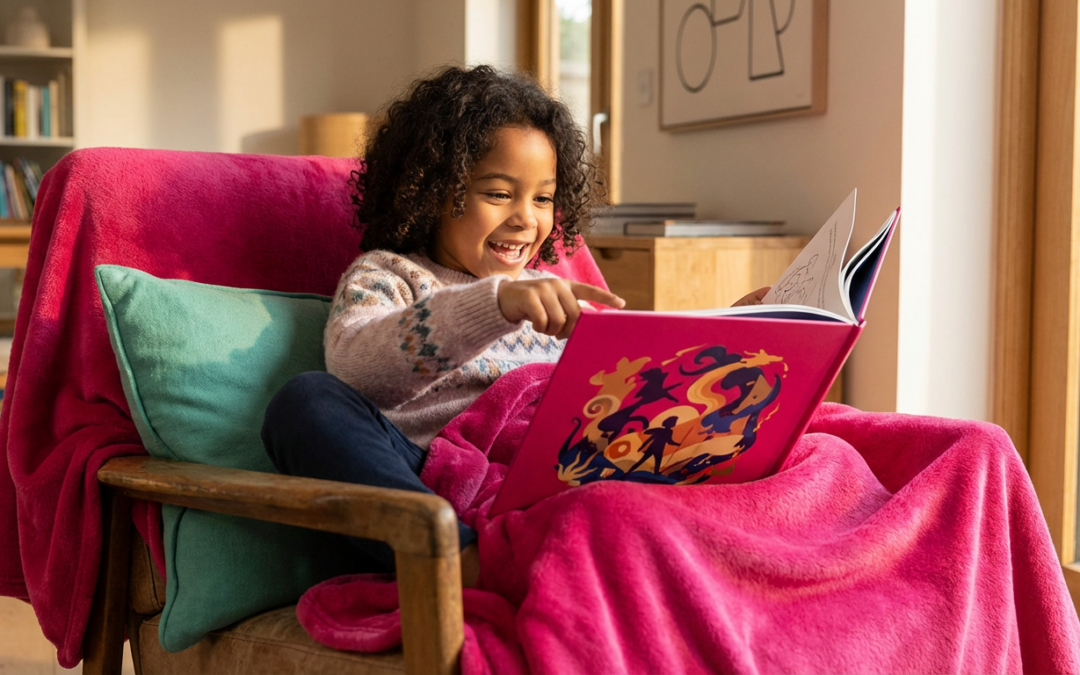
When was the last time you watched a child’s face light up hearing their own name in a story? That moment of recognition, that spark of wonder, isn’t just adorable. It’s transformative.
Personalised childrens books tap into something fundamental about how young minds work. Children naturally see themselves as the centre of their universe, which isn’t selfishness but rather a normal developmental stage. When we place them at the heart of narratives, we’re not indulging their ego. We’re speaking their language. We’re showing them that their adventures matter, their choices have consequences, and they possess the power to navigate challenges.
This matters more than ever in a world competing for their attention. Screen time offers instant gratification but rarely positions children as active participants in meaningful journeys. Personalised children’s books offer something different: stories where they’re not passive consumers but active heroes shaping outcomes.
The result? Children who believe they’re incredible. Kids who see themselves as capable adventurers rather than sideline observers. Young readers who connect reading with empowerment rather than obligation.
The Psychology of Seeing Yourself as the Protagonist
Developmental psychology reveals that children process information differently when they’re personally involved. Research shows that personalisation creates what psychologists call self-referential processing, where the brain pays closer attention because the content feels directly relevant.
When a child named Oliver reads about Oliver solving puzzles or Emma discovers Emma saving endangered animals, their engagement skyrockets. The story isn’t happening to some distant character. It’s happening to them. This psychological ownership transforms passive listening into active imagination.
Children naturally engage in what researchers call narrative rehearsal, where they mentally practice navigating scenarios. When those scenarios feature them as heroes, they’re essentially rehearsing confidence, problem-solving, and resilience.
How Hero Narratives Shape Childhood Confidence
Making children heroes of their own stories does something profound: it establishes a template for how they see themselves in the real world.
When a child repeatedly experiences being the capable protagonist who overcomes obstacles, learns new things, and helps others, they’re building what psychologists call self-efficacy. They’re developing the belief that they can influence outcomes through their actions.
This isn’t about creating entitled children who think they’re always right. It’s about fostering children who believe they’re capable, worthy, and able to grow. There’s a crucial difference.
Child-centred narratives show kids navigating challenges, making mistakes, and finding solutions. They model resilience wrapped in adventure. They teach that being a hero doesn’t mean being perfect; it means being brave enough to try.
The Science Behind Personalised Children’s Books
The personalised children’s book market isn’t growing because of clever marketing. It’s expanding, reaching approximately $1.48 billion in 2024 and projected to hit $2.76 billion by 2033, because parents and educators recognise something backed by solid research: customisation works.
Studies in educational psychology consistently demonstrate that personalised learning materials improve outcomes across multiple domains. When children encounter their own names, familiar places, or characteristics that reflect their lives, their brains activate differently than with generic content.
This isn’t magic. It’s neuroscience meeting storytelling.
What Research Reveals About Custom Storytelling
Research into personalised storytelling benefits shows measurable improvements in several key areas:
Children demonstrate increased vocabulary acquisition when reading personalised books compared to standard texts. The personal connection creates hooks for memory, making new words stick better.
Comprehension improves because children naturally pay closer attention to stories featuring themselves. They’re not just decoding words; they’re invested in outcomes.
Emotional regulation benefits emerge as children practice processing feelings through personalised scenarios. When a character shares their name and navigates emotions, it creates a safe distance for exploring their own emotional landscape.
Narrative identity development accelerates. Children begin constructing coherent life stories earlier, understanding themselves as individuals with ongoing adventures rather than disconnected experiences.
Why Personalisation Increases Reading Engagement
The personalised storytelling benefits extend beyond measurable skills into something harder to quantify but equally important: genuine love of reading.
Children who see themselves as story heroes develop positive associations with books. Reading isn’t something imposed by adults; it’s where their adventures happen.
This engagement creates a virtuous cycle. More engagement leads to more practice. More practice builds skills. Better skills make reading easier and more enjoyable, which increases engagement further.
Parents often report that their children request personalised books repeatedly, sometimes memorising entire passages. This repetition, driven by genuine interest rather than obligation, provides the repeated exposure that literacy development requires.
How Narrative Identity Shapes Child Development
Here’s something fascinating that doesn’t get discussed enough: children are constantly constructing stories about who they are. Psychologists call this narrative identity, and it’s one of the most important developmental processes happening during early childhood.
What Is Narrative Identity in Child Psychology
Narrative identity is the internal life story we all construct to make sense of ourselves. It’s how we connect our past experiences, present situations, and future possibilities into a coherent sense of self.
For adults, this narrative is well-established. For children, particularly those between ages 1-9, it’s actively forming. Every experience, every story they hear about themselves, every adventure they imagine contributes to this developing sense of who they are.
Personalised children’s books provide powerful building blocks for this construction. When children repeatedly experience themselves as capable heroes who learn, grow, and overcome challenges, they’re laying foundations for lifelong self-perception.
This isn’t about creating false confidence through empty praise. It’s about providing narrative templates that show children as active agents in their lives rather than passive recipients of whatever happens.
Building a Coherent Sense of Self Through Stories
Child-centred narratives help children answer fundamental questions:
Who am I? Stories that feature children’s actual characteristics, interests, and names help them see themselves clearly and feel recognised.
What can I do? Adventures where they solve problems, help others, and overcome obstacles teach them about their capabilities.
What matters to me? Stories centred on themes like kindness, curiosity, or conservation help children identify their values.
How do I fit in the world? Narratives placing them in different contexts, from local neighbourhoods to global adventures, build understanding of their place in increasingly complex systems.
This narrative identity formation happens whether we’re intentional about it or not. Personalised books simply make the process more deliberate, positive, and empowering.
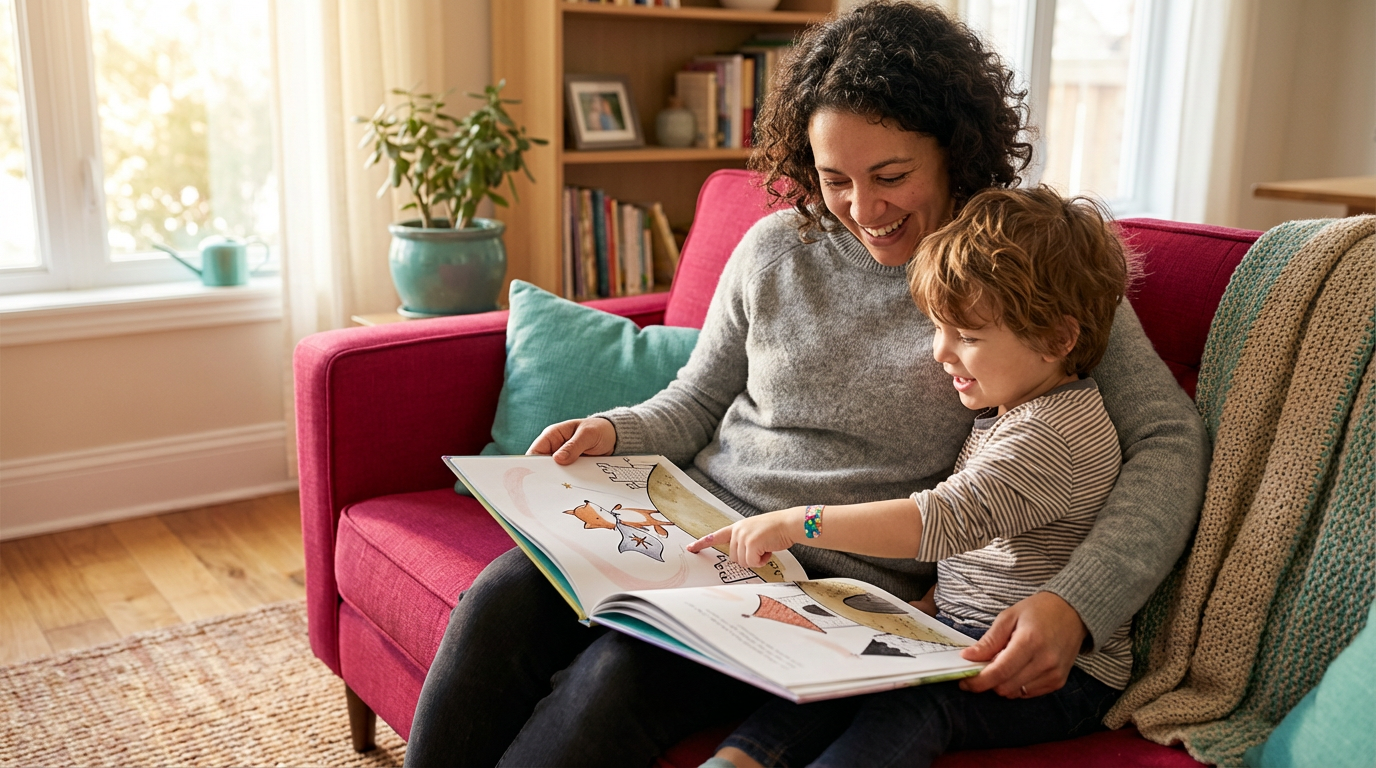
Personalised Storytelling Benefits: Confidence and Self-Esteem
There’s a reason our customers love their books like squirrels love nuts. These aren’t just products; they’re tools for building the kind of self-belief that shapes futures.
How Custom Books Help Children Feel Incredible
Self-esteem in children doesn’t come from constant praise or protecting them from all challenges. It emerges from genuine accomplishment and feeling genuinely seen.
Personalised children’s books address both. When a child named Mia reads about Mia successfully navigating a counting adventure or geography quest, she’s experiencing herself as competent. When the story includes details specific to her life, her interests, or her family, she feels truly seen rather than generically acknowledged.
This combination is powerful. The book communicates: You are capable. You are unique. Your story matters.
Children internalise these messages differently than external praise because they’re experiencing them through narrative rather than receiving them as judgement. The story shows rather than tells, which sidesteps the self-consciousness that direct praise sometimes creates.
The Connection Between Representation and Self-Worth
Representation matters because it answers a question every child asks, consciously or unconsciously: Do people like me do important things?
When children never see themselves reflected in stories, the implicit message is that adventures happen to other kinds of people. Heroes look different, act different, or come from different backgrounds.
Custom books for kids eliminate this problem entirely. Every child becomes the hero because the book is built around them specifically.
This isn’t about participation trophies or false empowerment. It’s about ensuring that every child’s earliest narrative experiences include themselves as valued, capable protagonists. It’s about making sure that when they imagine heroes, they can imagine themselves.
Building Emotional Intelligence Through Child-Centred Narratives
Emotional intelligence, the ability to recognise, understand, and manage emotions, starts developing in early childhood. Personalised children’s books provide surprisingly effective tools for this development.
How Personalised Books Teach Empathy and Emotional Processing
When children read about themselves navigating emotional situations, they’re engaging in what psychologists call emotional rehearsal. They’re practicing feelings in a safe, controlled environment.
A personalised story might show them feeling nervous about something new, then discovering strategies that help. Or experiencing disappointment and learning that feelings pass and solutions emerge.
Because the character shares their name and characteristics, the emotional lessons feel relevant rather than abstract. Children can more easily transfer insights from the story to their actual lives.
Empathy develops through similar mechanisms. When personalised narratives include other characters with their own feelings and perspectives, children practice understanding that others have internal experiences different from their own.
This might seem simple, but for young children working through natural egocentrism, it’s crucial development.
Safe Spaces for Exploring Big Feelings
One underappreciated benefit of personalised storytelling is creating distance whilst maintaining connection. The story is about them, so it feels relevant. But it’s still a story, so difficult emotions feel manageable.
This paradox creates an ideal space for processing:
Children can explore fear, sadness, frustration, or anxiety through their story character without feeling overwhelmed by those emotions directly.
They can see their character finding solutions, which plants seeds for their own problem-solving.
They can discuss the story’s emotional content with caregivers, creating openings for conversations about feelings that might otherwise feel too vulnerable.
Parents often report that personalised books become tools for discussing real-life challenges. The story provides shared language and reference points for talking about situations the child faces.
How Personalised Books Accelerate Literacy Skills
Let’s address the question parents actually ask: do personalised books improve literacy skills? The research answer is yes, and the mechanisms are clearer than you might expect.
Do Personalised Books Improve Literacy Skills?
Multiple studies demonstrate that personalisation increases engagement, and engagement is the strongest predictor of literacy development. Children learn to read by reading, and they read more when they’re genuinely interested.
Personalised children’s books create interest through relevance. When children see their names, familiar places, or personal details, their attention naturally focuses. This sustained attention during reading creates ideal conditions for skill development.
Specific literacy benefits include:
Enhanced phonemic awareness as children recognise their own names and related words more readily.
Improved vocabulary acquisition because new words encountered in personally relevant contexts stick better in memory.
Better comprehension since children invest more cognitive effort in understanding stories about themselves.
Increased fluency through repeated readings driven by genuine interest rather than obligation.
Stronger motivation to tackle challenging texts because the content matters personally.
Vocabulary Growth When Children Are the Story Hero
Vocabulary development happens through exposure, but not all exposure is equal. Children learn words best when they encounter them in meaningful, memorable contexts.
Personalised storytelling creates these ideal contexts. When a child named Lucas reads about Lucas discovering words like savannah, conservation, or navigate whilst on his own adventure, those words become associated with his story rather than abstract definitions.
The emotional engagement that personalisation creates also supports memory formation. Words learned during engaging experiences stick better than words encountered during neutral or boring ones.
Parents seeking secretly educational books that kids actually love often discover that personalisation solves the false choice between education and entertainment. The engagement drives the learning naturally.
The Role of Representation in Empowering Children Through Stories
Representation in children’s literature has become a cultural conversation, but the psychological importance goes deeper than many realise.
Why Seeing Themselves Matters
Children between 1-9 are actively forming beliefs about what’s possible for people like them. Every story they encounter provides data points for these developing beliefs.
When a child consistently sees heroes who look different, live differently, or possess different characteristics, they draw conclusions about who gets to do important things. These conclusions happen subconsciously, forming foundations for later self-perception.
Personalised children’s books bypass this entire problem. The hero looks like them because the hero is them. The adventurer lives where they live. The problem-solver shares their name.
This immediate, complete representation communicates something profound: you belong in stories. Your adventures matter. People like you do incredible things.
Custom Books for Kids: Beyond Generic Characters
Generic characters serve important purposes in children’s literature, but they leave gaps that personalisation fills uniquely.
A generic character named Sam could be anyone, which creates identification possibilities but also distance. A child named Olivia might relate to Sam but never fully see herself.
A custom book about Olivia eliminates that gap entirely. There’s no translation required, no imaginative leap from character to self. The story is literally about her.
This directness particularly benefits children who rarely see themselves represented in mainstream literature, whether due to names, backgrounds, family structures, or characteristics. Personalisation ensures every child gets the representation that research shows matters for development.
Creating Lasting Family Bonds Through Personalised Reading
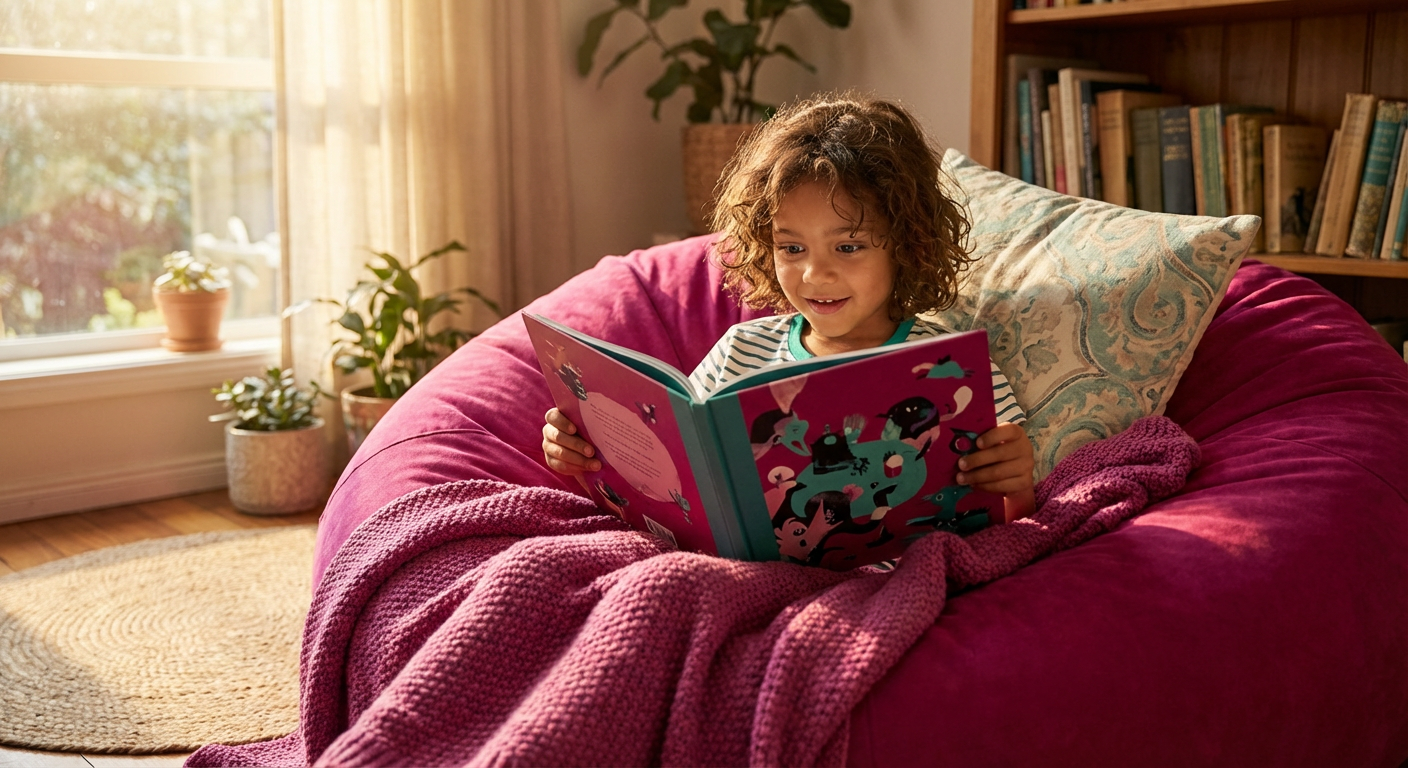
Beyond individual child development, personalised children’s books create something else: shared family experiences that become treasured memories.
Shared Reading Experiences That Become Treasured Memories
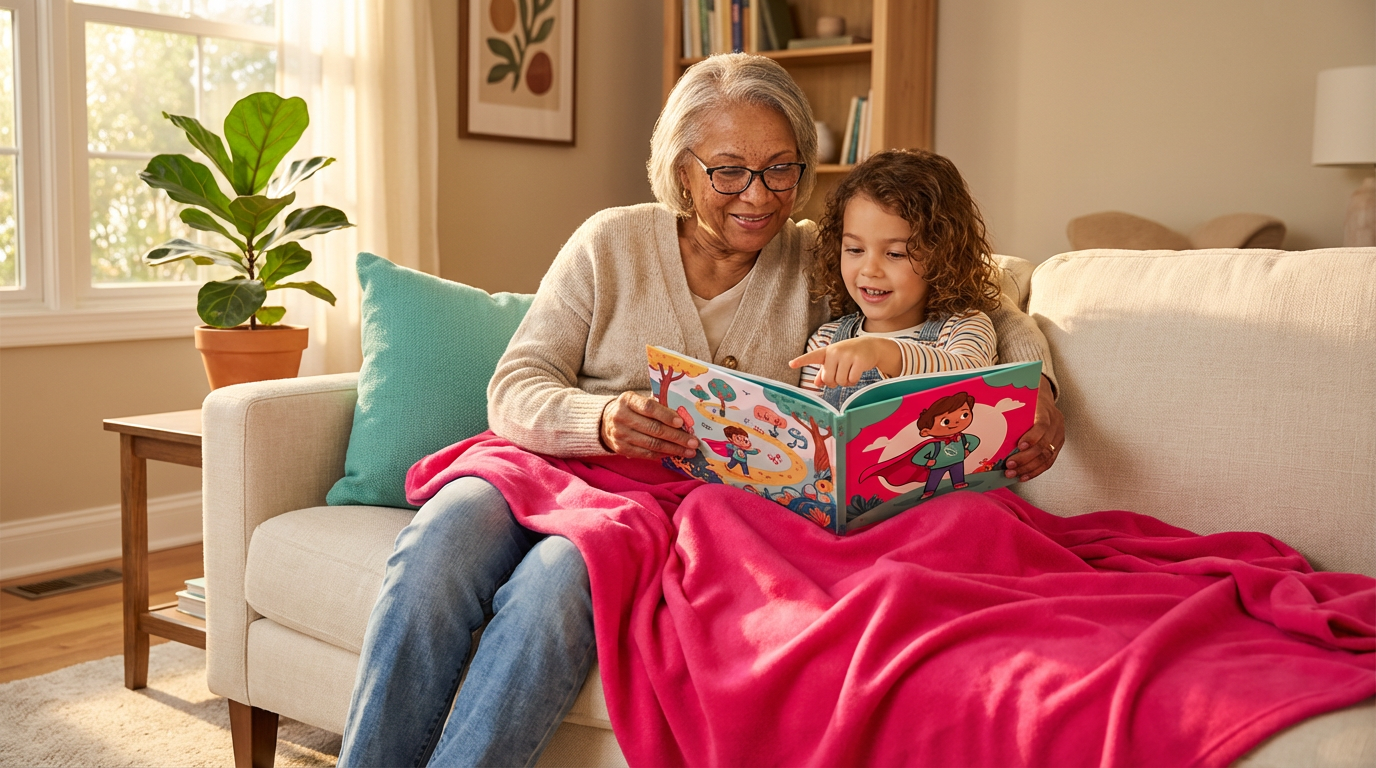
Parents and grandparents often report that personalised books become favourite reading-time choices, requested repeatedly. This repetition isn’t boring; it’s bonding.
Each reading creates shared references, inside jokes, and familiar moments that belong uniquely to that family. The child’s name in the story, familiar places, or personalised details create connection points that generic books can’t replicate.
These books often become keepsakes, stored long after other children’s books are donated or discarded. They represent not just stories but captured moments of childhood, preserved in pages.
Grandparents particularly value personalised books as meaningful gifts that demonstrate thought and create lasting connection. Unlike toys that break or clothes that are outgrown, these books remain relevant and treasured.
How Personalised Stories Strengthen Parent-Child Connection
Shared reading time already strengthens parent-child bonds, but personalisation adds layers:
Parents can reference the child’s story adventures during real-life situations, creating helpful parallels and teaching moments.
Children feel seen and valued when adults choose books specifically about them, not just generic options.
The conversations that personalised books inspire often go deeper because the content feels more relevant to the child’s actual life.
Reading together becomes collaborative storytelling as children add their own details or imagine extensions to their adventures.
These moments of connection matter enormously during early childhood, when children are forming attachment patterns and learning whether adults truly see and value them as individuals.
Choosing the Right Personalised Books for Your Child
Not all personalised children’s books deliver equal value. Quality varies dramatically, and understanding what to look for helps parents make choices that truly benefit their children.
Age-Appropriate Personalisation: What Works Best
Effective personalisation changes across developmental stages:
For ages 1-3, personalisation works best through simple name inclusion, familiar objects, and basic concepts. Books focusing on colours, shapes, or everyday routines with the child’s name create recognition and engagement.
For ages 4-6, children benefit from stories featuring them in adventures with clear problems and solutions. Counting books, alphabet adventures, or simple geography explorations work well. The narrative can be more complex whilst remaining age-appropriate.
For ages 7-9, personalisation can include more sophisticated elements like the child’s specific interests, more complex problem-solving, or deeper educational content about topics like animal conservation or cultural exploration.
The key is matching personalisation depth to cognitive development. A 3-year-old needs different content than an 8-year-old, even if both benefit from seeing their names in stories.
Educational Value Hidden in Adventure Stories
The phrase secretly educational captures something important: the best learning happens when children don’t realise they’re being taught.
Personalised children’s books from quality creators embed educational content within engaging narratives. A counting adventure teaches numeracy whilst the child thinks they’re just helping their story character solve puzzles. A geography journey builds spatial awareness and cultural knowledge whilst feeling like pure adventure.
This approach works because it aligns with how children naturally learn: through play, exploration, and narrative rather than direct instruction.
Parents seeking books made with depth and passion should look for:
Clear educational foundations from creators with education credentials
Age-appropriate learning objectives woven into engaging plots
Quality illustration and production that communicates value
Personalisation that goes beyond surface-level name insertion to create genuinely individualised experiences
Guarantees demonstrating commitment to quality and customer satisfaction
The Growing Market for Custom Children’s Books
The personalised children’s book market isn’t just growing; it’s accelerating, driven by parents who recognise that truly lovely things take more time and that quality customisation delivers value generic products can’t match.
Why Parents Are Choosing Personalised Over Generic
Several converging factors explain the shift towards custom books for kids:
Parents increasingly prioritise experiences and meaningful gifts over disposable entertainment. A personalised book that becomes a treasured keepsake delivers more lasting value than generic alternatives.
Awareness of early childhood development research has grown. Parents understand that the early years shape lifelong trajectories and seek tools that support optimal development.
Screen time concerns drive searches for engaging alternatives. Personalised books compete successfully with screens because they offer something digital media rarely provides: the child as the hero.
Gift-givers seek distinctive options that demonstrate thought and care. Generic books feel impersonal; personalised books communicate that someone took time to create something unique.
The market growth to $1.48 billion in 2024, projected to reach $2.76 billion by 2033, reflects these changing priorities. Parents are willing to invest in quality when they see genuine value.
Books Made With Depth and Passion: Quality Over Speed
Not all personalised children’s books offer equal quality. The market includes both mass-produced options with simple name-swapping and carefully crafted books created with genuine educational purpose.
Quality markers include:
Education-focused creators who understand child development and design books with specific learning objectives
Thoughtful personalisation that goes beyond names to include meaningful details
High-quality production with durable materials suitable for repeated readings
Transparent processes that set realistic expectations about production time
Guarantees backing quality commitments
The phrase Books Made With Depth & Passion isn’t marketing fluff; it’s a meaningful distinction in a crowded market. Parents increasingly recognise the difference between products rushed to market and books created with genuine care for child outcomes.
This quality focus explains why some companies emphasise that truly lovely things take more time. Custom production that ensures each book is perfect for that specific child requires more time than generic printing, but delivers incomparably better results.
Inspiring Little Heroes One Personalised Book at a Time
Personalised children’s books represent something bigger than a product category. They’re tools for empowering children through stories, building confidence through narrative identity, and creating experiences where every child sees themselves as incredible.
The research is clear: when children become heroes of their own stories, measurable benefits emerge across literacy development, emotional intelligence, self-esteem, and engagement with reading. The psychological mechanisms make sense: personalisation creates relevance, relevance drives engagement, and engagement enables learning.
But beyond measurable outcomes, personalised books deliver something harder to quantify: the magic of a child seeing themselves as capable, valued, and central to their own adventures. That experience shapes how children see themselves in ways that extend far beyond reading time.
For parents, grandparents, and gift-givers seeking meaningful ways to inspire and empower self-belief in children, personalised books offer proven effectiveness wrapped in genuine engagement. They solve the false choice between education and entertainment, delivering secretly educational stories that kids genuinely love.
The choice facing thoughtful gift-givers isn’t just between generic and personalised books. It’s between messages that children absorb about themselves: are they observers of other people’s adventures, or are they heroes capable of their own?
Every child deserves to believe they’re incredible. Personalised children’s books make that belief tangible, readable, and repeatedly reinforced through stories where they star as the capable hero navigating challenges, learning, and succeeding.
Ready to inspire a little hero? Discover how books made with depth and passion can transform your child’s relationship with reading whilst secretly building the confidence and skills that shape futures. Because truly lovely things take more time, and every child deserves a story that shows them they’re incredible.
Frequently Asked Questions
How do personalised books help child development?
Personalised books support child development across multiple domains. They enhance literacy skills by increasing engagement and creating memorable contexts for vocabulary acquisition. They build emotional intelligence by providing safe spaces to explore feelings through characters who share the child’s name. They strengthen self-esteem by positioning children as capable heroes. Research shows that when children see themselves as story protagonists, they develop stronger narrative identity, better comprehension, and more positive associations with reading that encourage lifelong literacy habits.
Why make children heroes of their own stories?
Making children heroes of their own stories taps into how young minds naturally work. Children see themselves as central to their experiences, and personalised narratives speak this developmental language. When children repeatedly experience themselves as capable protagonists who overcome challenges, they’re building self-efficacy and the belief that they can influence outcomes. This isn’t about creating entitlement; it’s about fostering confidence, resilience, and the understanding that they’re active participants in their lives rather than passive observers.
What are the benefits of personalised children’s books?
The benefits span cognitive, emotional, and social domains. Personalised children’s books improve literacy skills through increased engagement and vocabulary acquisition. They build self-esteem by showing children as valued, capable heroes. They enhance emotional intelligence by providing safe contexts for exploring feelings. They strengthen family bonds through shared reading experiences that become treasured memories. Research consistently shows that personalisation increases reading engagement, and engagement is the strongest predictor of literacy development and lifelong reading habits.
How does personalisation increase reading engagement?
Personalisation activates self-referential processing in the brain, where content feels directly relevant and receives closer attention. When children see their names, familiar places, or personal details in stories, they naturally focus more intently. This creates ideal conditions for skill development because sustained attention during reading drives literacy growth. Children request personalised books repeatedly, sometimes memorising passages, which provides the repeated exposure that reading development requires. The engagement isn’t forced; it emerges naturally from genuine interest.
Do personalised books improve literacy skills?
Yes, research demonstrates that personalised books improve literacy skills through several mechanisms. Enhanced engagement leads to more reading practice, which directly builds skills. Phonemic awareness improves as children readily recognise their own names and related words. Vocabulary acquisition accelerates because new words encountered in personally relevant contexts stick better in memory. Comprehension increases since children invest more cognitive effort in understanding stories about themselves. The motivation to read challenging texts grows when content matters personally, creating a virtuous cycle of engagement and skill development.
What is narrative identity in child psychology?
Narrative identity is the internal life story we construct to make sense of ourselves, connecting past experiences, present situations, and future possibilities into a coherent sense of self. For children aged 1-9, this identity is actively forming. Every story they hear about themselves contributes to this developing understanding of who they are. Personalised books provide powerful building blocks by repeatedly showing children as capable heroes who learn, grow, and overcome challenges, laying foundations for lifelong self-perception as active agents rather than passive recipients.
How do I choose quality personalised books?
Look for several quality markers: education-focused creators with credentials who understand child development; age-appropriate content matching cognitive stages; personalisation that goes beyond simple name-swapping to include meaningful details; high-quality production with durable materials suitable for repeated readings; transparent processes with realistic production timeframes; and guarantees backing quality commitments. The best personalised books embed educational content within engaging narratives, creating secretly educational stories that children love rather than obvious lessons they resist.
Why do personalised books cost more than generic books?
Quality personalised books require custom production for each individual child rather than mass printing. This includes designing unique content incorporating the child’s specific details, custom printing, and quality control to ensure each book is perfect. Books made with depth and passion by creators with education credentials take more time than generic alternatives. The investment reflects genuine customisation, educational design expertise, quality materials, and the lasting value of a book that becomes a treasured keepsake rather than a disposable product. Truly lovely things take more time.