The Mirror Moment: What Happens When Kids See Themselves
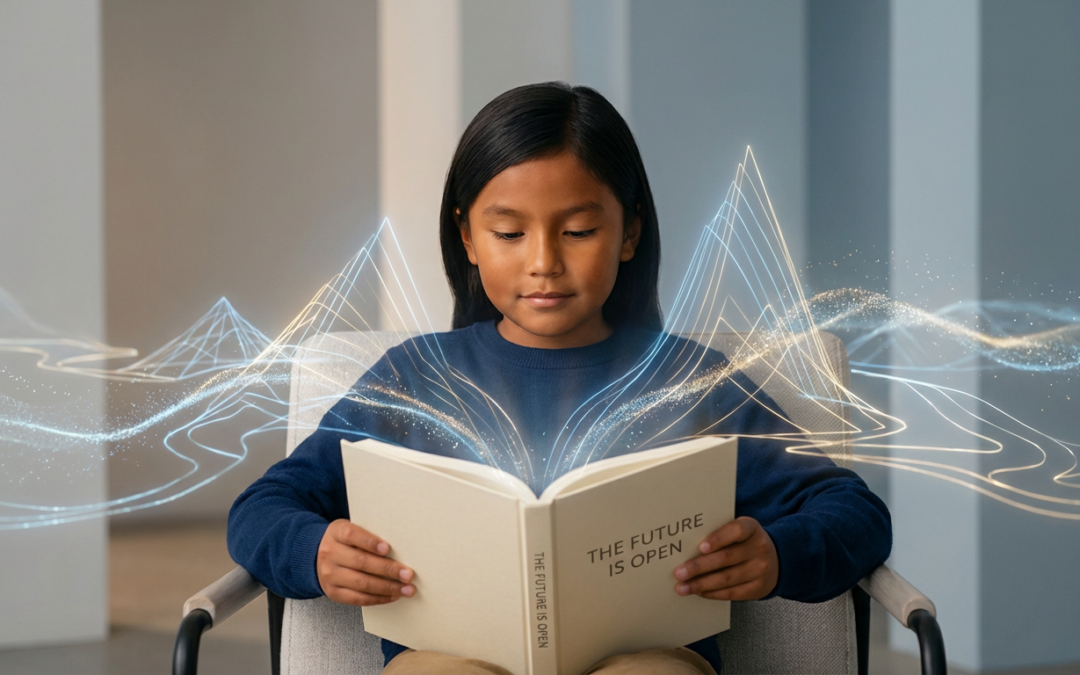
Imagine your child opening a book and seeing their own name printed on the page. Not as a dedication, but woven right into the adventure. They’re not reading about someone else’s journey anymore. They’re the hero climbing that mountain, solving that puzzle, saving the day.
That moment changes something.
Research shows children who see themselves positively reflected in stories develop higher self-esteem, stronger reading motivation, and deeper cultural understanding. But here’s what makes this even more remarkable: when kids recognise themselves in books, they don’t just enjoy reading more. They start believing different things about who they are and what they’re capable of becoming.
This is where identity begins to take shape, not in mirrors, but in stories.
How Stories Build the Foundation of Identity
The Power of Narrative Identity
Psychologists have discovered that humans don’t just live their lives. We tell ourselves stories about our lives, and those stories become who we are.
Children begin constructing these internal narratives early, integrating their past experiences, present reality, and imagined future into a sense of self. The stories they encounter during these formative years provide templates, possibilities, and permission slips for who they might become.
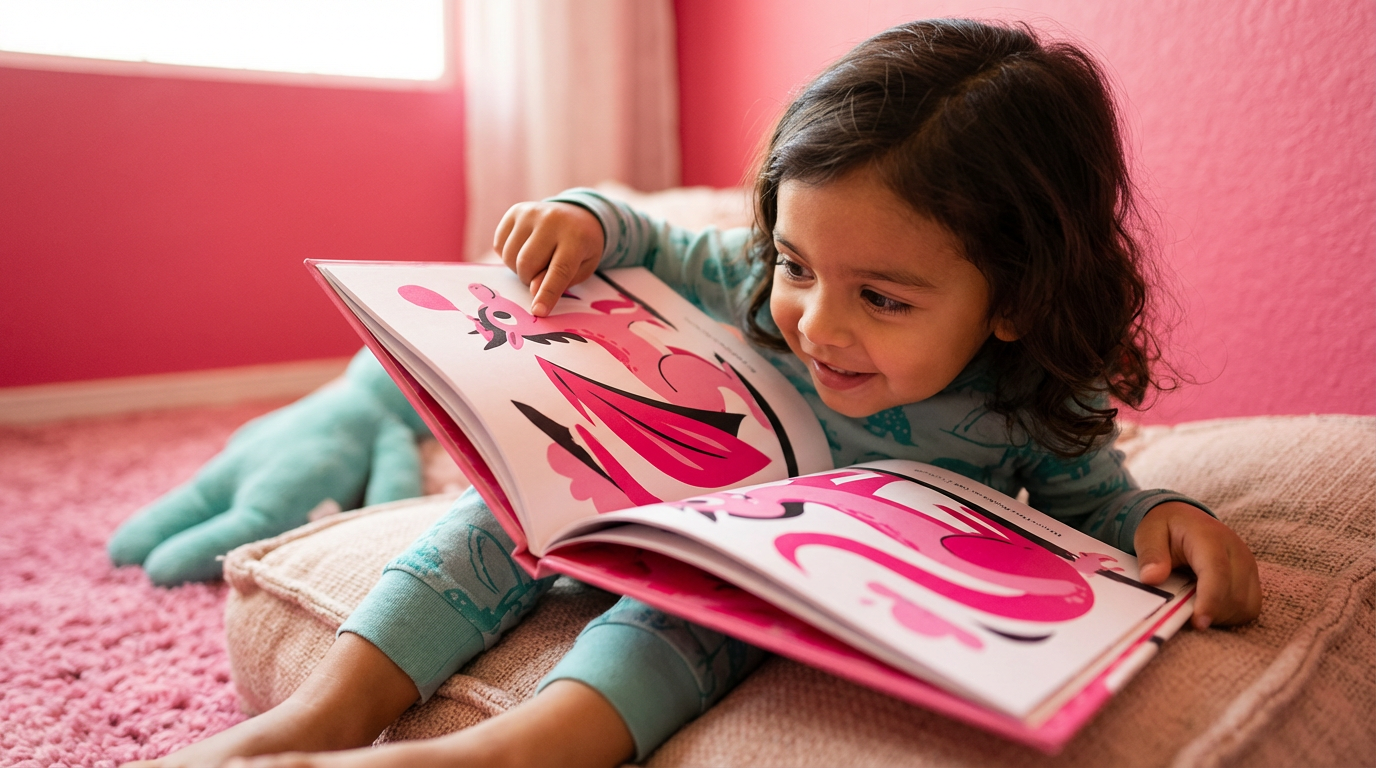
When a four-year-old sees a character who looks like them accomplishing something brave, that’s not entertainment. That’s a blueprint being filed away: people like me can do brave things.
When Stories Become Self-Stories
The books we read as children often become the frameworks for how we understand ourselves. A child who only ever sees certain types of people as heroes, leaders, or adventurers learns an unspoken lesson about which people get to be those things.
Conversely, when children see themselves represented as capable, valued, and central to the story rather than peripheral, they internalise a fundamentally different message: I belong in this world. My story matters. I’m incredible.
This is why secretly educational and totally inspirational stories kids love do more than teach facts. They teach children how to think about themselves.
The Representation Gap: What the Research Reveals
Despite progress, the numbers tell an uncomfortable truth. Recent data shows only 29% of children’s books featured characters of colour, even though over half of children under five in many countries come from diverse backgrounds.
The disparity extends beyond race. Children with disabilities, those from varied family structures, kids with different body types, and those from various cultural backgrounds remain underrepresented in mainstream children’s publishing.
Here’s why this matters practically:
- Children who rarely see themselves in books are less likely to view reading as something for them
- Young readers without representation may develop lower self-esteem around their identity
- Kids miss opportunities to develop empathy and understanding for experiences different from their own
- The absence of diverse narratives limits what all children imagine as possible
When children grow up seeing only narrow representations of who gets to be smart, brave, or worthy of adventure, it shapes their aspirations and self-perception in lasting ways.
Beyond Surface Diversity: What Authentic Representation Looks Like
Tossing in a character with brown skin or adding a wheelchair to the background isn’t representation. That’s tokenism, and children notice the difference.
Authentic representation means:
- Characters whose identity is woven naturally into the story, not their only defining trait
- Narratives that reflect genuine experiences rather than stereotypes
- Stories where diverse children are heroes, not sidekicks or supporting characters
- Books that honour the complexity of different cultural experiences
This is where books made with depth and passion become essential. When education-focused creators craft stories with genuine care, they move beyond checking boxes to creating narratives that truly reflect and celebrate children’s lived realities.
The goal isn’t to make every story about identity issues. It’s to create worlds where seeing diverse characters as central, capable, and valued is so normal that children accept it as truth about the real world too.
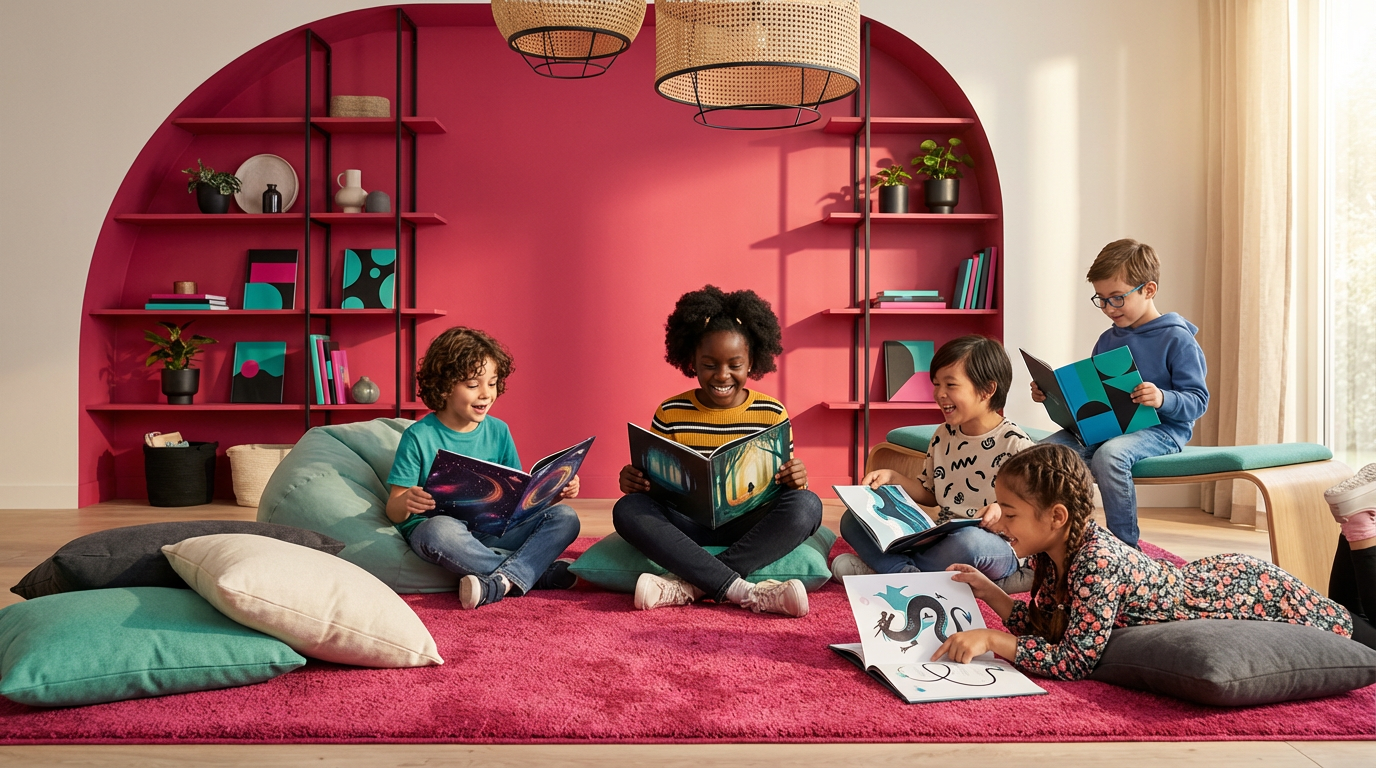
The Hero Effect: Why Being the Main Character Matters
There’s something uniquely powerful about personalised stories where children aren’t just represented, they’re the actual star of the adventure.
When a child’s name appears throughout the narrative, when the character making discoveries and solving problems is them, something shifts. They’re not identifying with a character anymore. They’re experiencing themselves as capable of those achievements.
This approach to inspiring little heroes one personalised book at a time creates a direct connection between the child’s sense of self and the positive qualities demonstrated in the story. If brave Anna climbs the mountain in the book, and the reader is Anna, then Anna learns: I am someone who can be brave. I am someone who climbs mountains.
The research on narrative identity confirms this pattern. Children who engage with stories where they see themselves as central figures develop stronger self-concept and greater confidence in their abilities.
Personalisation takes representation to its logical, powerful conclusion: not just seeing someone like you succeed, but seeing yourself succeed.
Creating Belonging Through Personalised Stories
Belonging is a fundamental human need, especially for young children still figuring out where they fit in the world.
Books create belonging in two ways. First, they show children they’re not alone in their experiences, feelings, or identities. Second, they demonstrate that people like them are valued enough to be central characters worth writing stories about.
Personalised books amplify both these effects. When a child receives a custom-created book featuring their name, their details, and their world, the message is unmistakable: you matter enough that someone made this just for you.
This is the difference between finding yourself in a story and having a story built around you. Both are valuable, but personalisation adds a layer of validation that tells children they’re not just represented in the world of stories, they’re celebrated there.
Truly lovely things take more time, and that’s especially true when creating books that make each specific child feel seen, valued, and incredible.
Building Self-Belief One Story at a Time
Self-belief doesn’t develop from a single book or moment. It’s built through repeated experiences that confirm: I am capable. I am valued. I can do hard things.
This is why the books children encounter repeatedly during their formative years matter so much. Each story either reinforces or challenges their developing sense of what’s possible for someone like them.
When you choose books that inspire and empower self-belief in your kids, you’re not just buying entertainment. You’re providing building blocks for identity. You’re offering templates for confidence. You’re giving permission to dream bigger.
The question isn’t whether a single book will transform a child’s self-concept. The question is: over time, what story is your child’s library telling them about who they are and what they’re capable of?
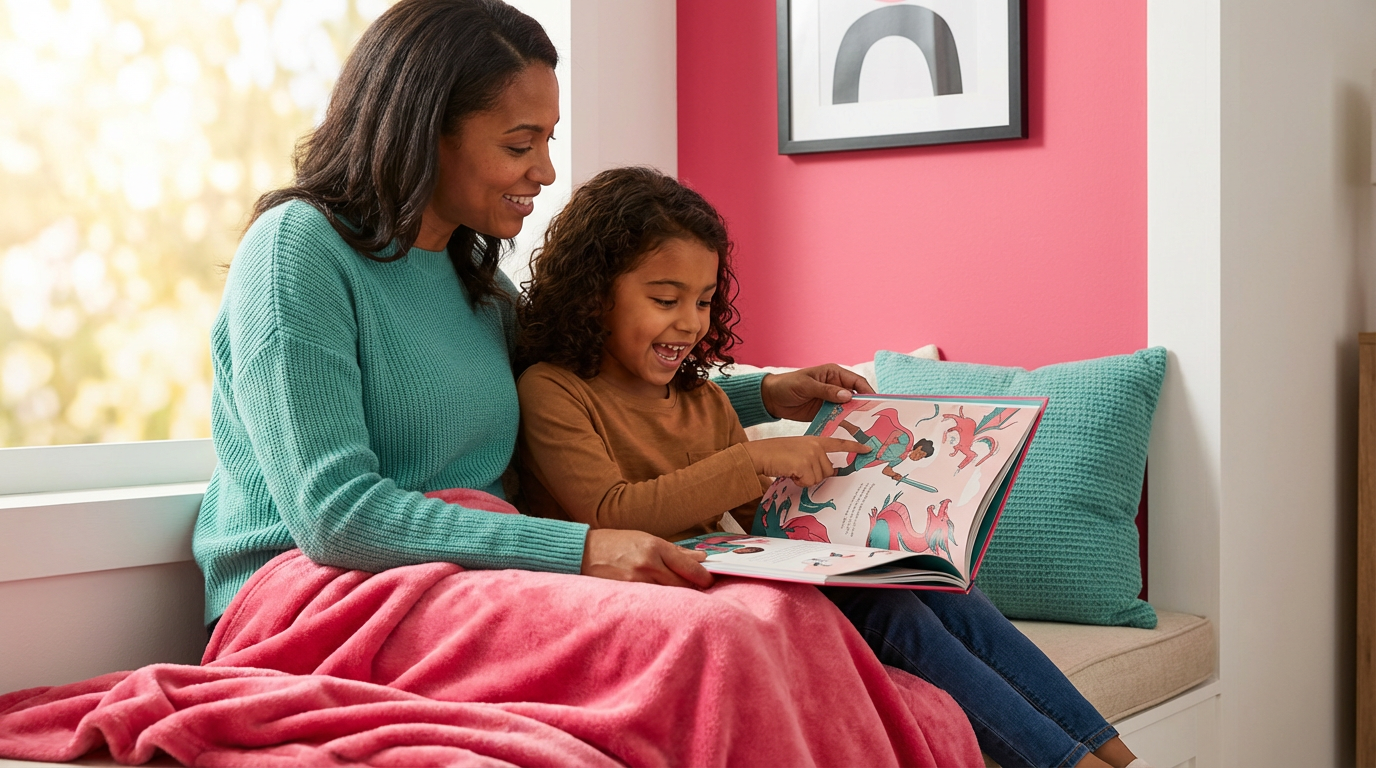
Your Child’s Story Starts Here
Every child deserves to see themselves as the hero of their own story and believe they are incredible. Not as a nice sentiment, but as a foundational truth that shapes how they move through the world.
The books you choose now become part of how your child understands themselves years from now. Stories where they see themselves reflected, valued, and celebrated as capable don’t just entertain. They build the internal narrative that will guide them through challenges, inform their aspirations, and shape their sense of belonging.
At The Kids Book Company, we create secretly educational and totally inspirational stories where your child isn’t just represented, they’re the star. Because we believe representation matters, but personalisation transforms.
Our customers love their books like squirrels love nuts, and we stand behind every story with our perfection guarantee. Because when you’re helping shape a child’s identity and self-belief, good enough isn’t good enough.
Ready to show your child they’re incredible? Explore our personalised books and start building their hero story today.
Frequently Asked Questions
Why does representation in children’s books matter for development?
Research shows children who see themselves positively reflected in books develop higher self-esteem, stronger reading motivation, and better cultural understanding. Stories provide templates for identity formation, teaching children what’s possible for people like them. When kids rarely see themselves represented, they may view reading as not for them and develop limited aspirations based on narrow portrayals of who gets to be heroes, leaders, or adventurers.
How do personalised books differ from diverse representation in regular books?
While diverse representation shows children characters who share aspects of their identity, personalised books make the child themselves the central character. This creates a direct connection between their sense of self and the positive qualities demonstrated in the story. Instead of identifying with a character, children experience themselves as capable of achievements, which research suggests builds stronger self-concept and confidence.
At what age does representation in stories start affecting identity development?
Children begin constructing internal narratives about themselves very early, often before they can read independently. The stories they encounter from toddlerhood through early primary years provide foundational templates for understanding who they are and what they might become. This makes the books children experience from ages 1-9 particularly influential in shaping long-term self-perception and belonging.
What makes representation authentic rather than tokenistic?
Authentic representation means characters whose identity is woven naturally into the story rather than being their only defining trait, narratives that reflect genuine experiences instead of stereotypes, and stories where diverse children are heroes rather than sidekicks. It honours the complexity of different experiences and avoids simply checking diversity boxes without depth or genuine understanding.
How can parents choose books that build self-belief in their children?
Look for books where children like yours are central characters demonstrating positive qualities, stories that reflect your child’s lived reality while expanding their sense of possibility, and narratives that balance entertainment with meaningful messages. Personalised books where your child is the actual hero provide the most direct connection between story and self-concept, making them powerful tools for building confidence and identity.